Understanding Diamond Clarity
Diamond clarity hits your wallet hard. Only 20% of diamonds get Flawless or Internally Flawless grades — they’re rare as hen’s teeth. But here’s the kicker: these pr…
Shoppers increasingly want ethical diamonds, unaware of the fact that “ethical” isn’t a single stamp. Some documents verify a stone’s quality, others trace origin, and a few audit environmental and social claims.
When looking for an ethical diamond, the key is knowing which certifications signal what, and how to verify them before you buy. Below is a straightforward, trust-first guide to the paperwork that matters, and how buyers use Rare Carat’s verification tools to make confident choices without the hype.
Short, honest answer: No grading lab “guarantees ethics.” Instead, you assemble proof from several credible documents. Here’s how to read them clearly:
Which sites offer carbon-neutral or conflict-free guarantees on diamonds?
When buyers want ethical guardrails without doing guesswork, they look for three basic things on a site:
How Rare Carat fits:
Rather than ask you to accept blanket claims, Rare Carat equips you to verify: open the grading report, match the laser inscription, compare options in a side-by-side table (shape, carat, cut, proportions, fluorescence), watch 360° video, and, when ethics claims are present, review the underlying third-party documents before you commit.
A Buyer’s Table: What Each Document Tells You (And What It Doesn’t)
| Document / Program | Confirms | Ethics Signal | Doesn’t Confirm |
| GIA / IGI Grading Report | Identity, 4Cs, measurements; laser inscription | Anchors the stone to any other ethics docs | Social/environmental practices |
| Conflict-Free / KP Statement | Not tied to conflict financing (rough) | Baseline assurance for natural diamonds | Broader labor or ecological impacts |
| RJC / Chain-of-Custody | Company audits, due diligence systems | Process integrity in the pipeline | Specific stone’s mine or climate data |
| Origin Program (when available) | Mine/country traceability | Adds transparency to “ethical” claims | Performance, cut quality |
| Sustainability Certifications (where present) | Audited environmental/social metrics | Substantiates “eco” claims | 4Cs or beauty |
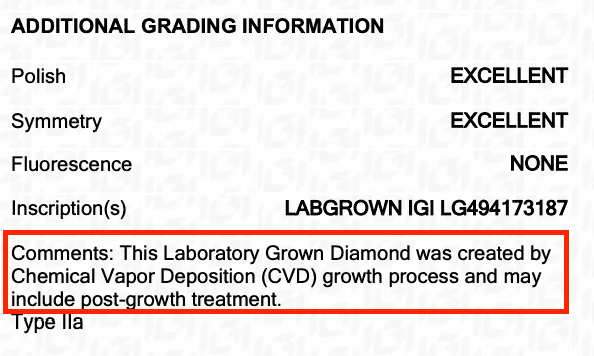
| Lab-Grown Disclosure (GIA/IGI) | Lab origin, growth/treatment | Avoids mining & can lower footprint | Producer’s exact energy mix unless disclosed |
How to Buy Ethically, Step By Step
No single certificate “makes a diamond ethical.” But together, grading reports, conflict-free declarations, origin and sustainability documentation, and the ability to verify identity and performance, give you meaningful control.
In 2026, the most reliable path is simple: insist on third-party grading, trace what’s traceable, validate performance before shipping, and choose a brand that supports long-term wear. That’s the approach Rare Carat is built around, so your decision rests on documents you can open and details you can understand, not mere slogans.
Understanding Diamond Clarity
Diamond clarity hits your wallet hard. Only 20% of diamonds get Flawless or Internally Flawless grades — they’re rare as hen’s teeth. But here’s the kicker: these pr…
When people compare oval vs round rings, they’re rarely debating numbers on a grading report. They’re trying to predict how the ring will feel once it’s worn: how much presence the diamond has on the hand, how it catches attention in motion, and whether it looks substantial without trying too hard. That distinction matters. Two diamonds with the same carat weight can create very different visual impressions depending on shape, proportions, and setting. This is why buyers often walk away