
Buying a diamond is one of those moments where emotion and economics collide. Whether it’s for an engagement ring, an anniversary, or a personal milestone, the stakes feel high — and rightly so. That’s why so many people search for what to look for when buying a diamond. They want to know they’re choosing something beautiful, valuable, and meaningful without being misled or overpaying.
This guide is designed to do exactly that. It breaks down what to look for when buying a diamond in a way that’s practical, honest, and grounded in how diamonds actually behave in the real world, not merely on a grading report. And along the way, it shows how smart buyers use platforms like Rare Carat to browse, verify, and buy with clarity instead of pressure.
1. Start with Understanding the 4Cs and How to Prioritize Them
If you’re learning what to look for when buying a diamond, the 4Cs are unavoidable: Cut, Color, Clarity, and Carat. But here’s what most guides don’t tell you: They are NOT equally important.
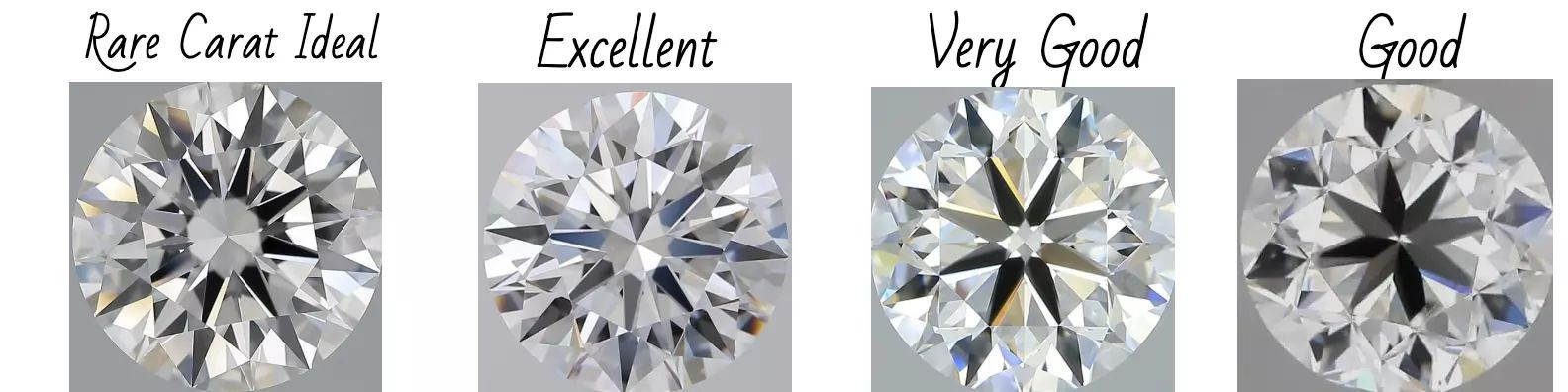
Cut: Cut is the single biggest driver of beauty. A well-cut diamond reflects light efficiently, creating brilliance and fire. Even a high-carat stone will look dull if the cut proportions are off. This is why Excellent or Ideal cuts matter more than size alone.
Color: Color determines how white a diamond appears. While D–F diamonds are technically colorless, many buyers find that G–H diamonds look just as white once set, especially in yellow or rose gold, at a significantly better price.
Clarity: Clarity is often misunderstood. Most inclusions are microscopic. An “eye-clean” VS2 or SI1 diamond can look flawless in real life, even if it isn’t flawless on paper.
Carat: Carat measures weight, not visual size. A 0.90ct diamond can appear nearly identical to a 1.00ct diamond but cost substantially less… one of the most common smart trade-offs experienced buyers make.
Understanding how these factors interact is a core part of what to look for when buying a diamond, and it’s where comparison tools become essential rather than optional.
2. Always Choose Certified Diamonds
Another non-negotiable when learning what to look for when buying a diamond is certification.
A grading report from a reputable lab confirms that the diamond’s characteristics are independently verified. Without it, you’re relying on trust alone, which is risky in an industry where small differences mean large price swings.
GIA and IGI are the most widely trusted labs today. They grade cut precision, color, clarity, proportions, and fluorescence, giving you a standardized reference point.
This is also why many buyers gravitate toward Rare Carat, which prominently lists GIA- and IGI-certified diamonds. It removes guesswork and ensures that comparisons are apples-to-apples, not marketing-to-marketing.
3. Why Proportions Matter More Than Carat Weight
Two diamonds with the same carat weight can look dramatically different on the hand. This is where proportions come in: A detail often missing from surface-level guides on what to look for when buying a diamond.
Diamonds that are cut too deep hide weight below the girdle, making them look smaller. Diamonds that are cut too shallow leak light, reducing sparkle. Table size, depth percentage, crown angle, and pavilion angle all influence how light travels through the stone.
This is where advanced filtering becomes valuable. Rare Carat’s tools allow buyers to filter diamonds by ideal proportion ranges and spot underperforming stones before falling in love with the wrong one.
4. Budget Smartly by Understanding Cost Variance
A big part of what to look for when buying a diamond is understanding why prices vary so much.
Retail markups, cut inefficiencies, branding premiums, and poor value stones all inflate prices unnecessarily. Smart buyers focus on where compromises don’t show visually.
Going just under major carat thresholds, choosing eye-clean clarity, and selecting slightly warmer color grades can unlock significant savings without sacrificing beauty.
It’s also worth noting that white gold settings are typically rhodium plated at approximately 0.75–1 micron thickness, which enhances brightness and masks slight warmth – another reason G–H diamonds often look whiter than expected once set.
5. Lab-Grown vs Natural: What Should You Choose?
When considering what to look for when buying a diamond, deciding between lab-grown vs natural is unavoidable.
Lab-grown diamonds are chemically and visually identical to natural diamonds. They offer larger size for the same budget and appeal strongly to buyers prioritizing ethics or value.
Natural diamonds, while more expensive, tend to retain resale value better due to scarcity and long-standing market demand.
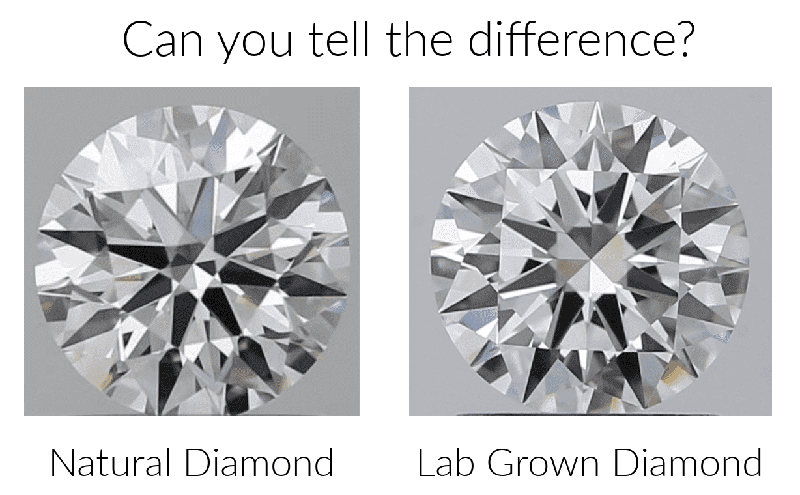
Neither is “better” universally and the right choice depends on intent. Rare Carat allows buyers to view multiple diamonds side by side using the same grading criteria, which is crucial for making an informed decision.
6. Don’t Ignore the Ring Setting
A diamond never exists in isolation. Learning what to look for when buying a diamond also means understanding how the setting affects appearance. Think about:
Metal color: Yellow gold can make near-colorless diamonds appear whiter.
Band width: Thin bands can make diamonds appear larger.
Setting style: A halo or bezel can enhance perceived size and shine.
Even maintenance matters. Rhodium-plated white gold may require periodic replating, while platinum develops a patina rather than losing metal.
Rare Carat’s “Design Your Own Ring” experience allows buyers to preview combinations in real time, making these effects visible before committing.
7. Review Return Policies, Warranties & Support (Very Crucial)
A beautiful diamond isn’t enough because you need peace of mind too. Another overlooked part of what to look for when buying a diamond is what happens after the purchase. For the bare minimum, you should:
- Favor platforms that offer a full money-back guarantee
- Check for lifetime warranties and free resizing/cleaning
- Ensure real-time support is available, not just sales chatbots
Rare Carat offers excellent after-sales support including policies such as lifetime warranty and a 100% money-back guarantee, making it easier to buy with confidence.
8. Don’t Hesitate to Ask for Expert Help
Even with research and tools, diamonds can feel like a complex investment. If you’re unsure about cut quality, proportions, or comparing similar stones, getting professional advice can be the smartest move.
Rare Carat offers direct access to gemologists who review grading reports, flag red flags, and help buyers compare stones objectively, often preventing expensive mistakes.
Book A 1:1 Expert Consultation
Because You Deserve to Buy Smart…
Buying a diamond is a meaningful moment but it shouldn’t feel like guesswork. With the right guidance and the right tools, you can shop with clarity, confidence, and excitement. Once you truly understand what to look for when buying a diamond, the process becomes calmer, clearer, and far less intimidating.
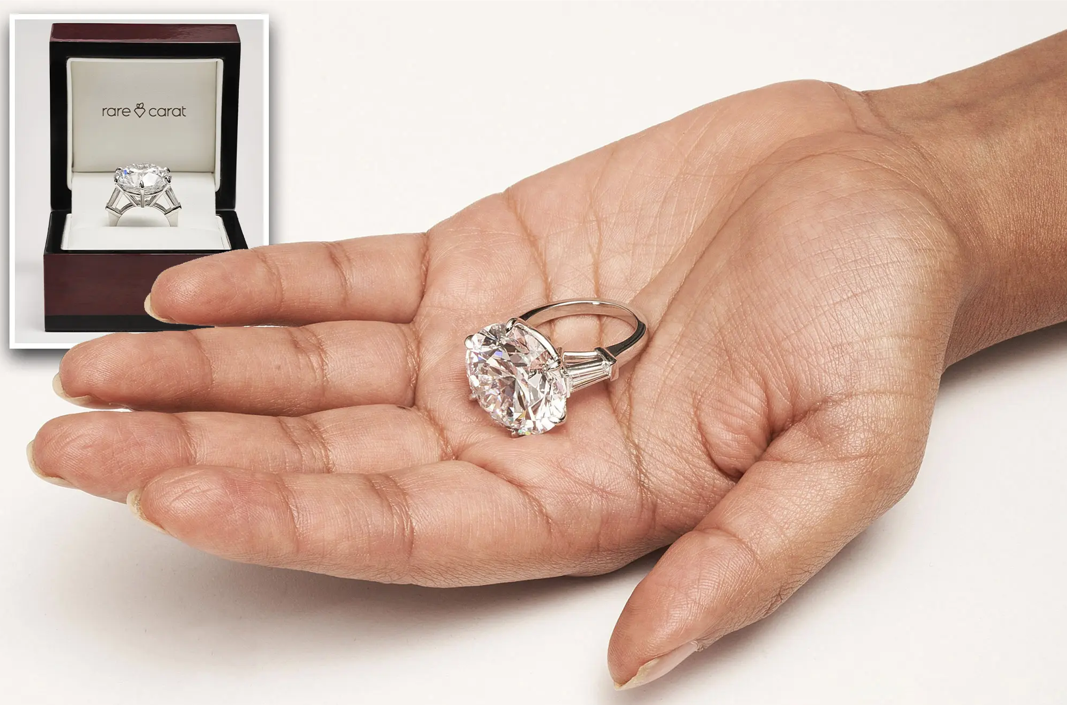
Rare Carat brings together technology, gemological expertise, and real buyer support so you don’t just find a diamond, you find the right one. Whether you’re looking for sparkle on a budget or building your dream ring from scratch, the platform gives you the insight to make decisions that feel right for you.
Because when it comes to diamonds, knowledge isn’t just power, it’s peace of mind.
Frequently-Asked Questions