If you’ve ever wondered what is rhodium plating, why your white gold ring gleams with a crisp, icy brilliance while another appears softly warm, you’re not imagining things. That cool-toned, mirror-like glow? That’s rhodium plating—a finishing technique that has quietly shaped how modern fine jewelry looks, photographs, and ages. And its impact stretches far beyond visual shine.
Far from a simple surface treatment, rhodium plating is a luxury-driven enhancement engineered to elevate white gold jewelry, especially engagement rings, into pieces that retain brightness, resist wear, and feel smooth against the skin. In the guide below, we’ll break down what is rhodium plating, how it works, why it matters, how long it lasts, and when the upgrade becomes essential, especially for the white gold pieces you’ll find at Rare Carat.
Why Rhodium Is the Under-the-Radar Power Metal
Rhodium belongs to the platinum family, and even within that elite circle, it stands apart for its rarity and resilience. Scarcer than gold or platinum themselves, rhodium’s prestige comes from both its physical properties and the unmistakable finish it lends to jewelry. It is naturally cool-white, highly reflective, resistant to oxidation, and inherently hypoallergenic. These qualities make rhodium plated jewelry noticeably brighter, sharper, and more durable.
Because rhodium is nickel-free and non-reactive, it has long been the preferred finishing metal for premium white gold jewelry. When a micro-thin layer is layered over gold, often referred to as gold rhodium plating, the result is a cleaner, whiter, more luxurious surface that elevates the jewelry far beyond the underlying alloy.
Fun fact: Rhodium is one of the most expensive metals in the world. Its value fluctuates wildly on global markets, and at times, rhodium has been nearly 10 times the cost of gold. That rarity underscores why its appearance in fine jewelry feels unmistakably “quiet luxury.”
Explore Rhodium Plated Jewelry
What Is Rhodium Plating — The Process & Purpose
To understand what is rhodium plating, imagine an upgrade that merges science with sophistication. The process begins with a deep clean and polish of the jewelry. Any residue, dirt, or previous polish is removed to ensure flawless adhesion. A bonding layer—often palladium, and always nickel-free in fine jewelry—creates the perfect surface. The piece is then submerged into a rhodium bath, where an electrical current fuses rhodium particles onto the metal.
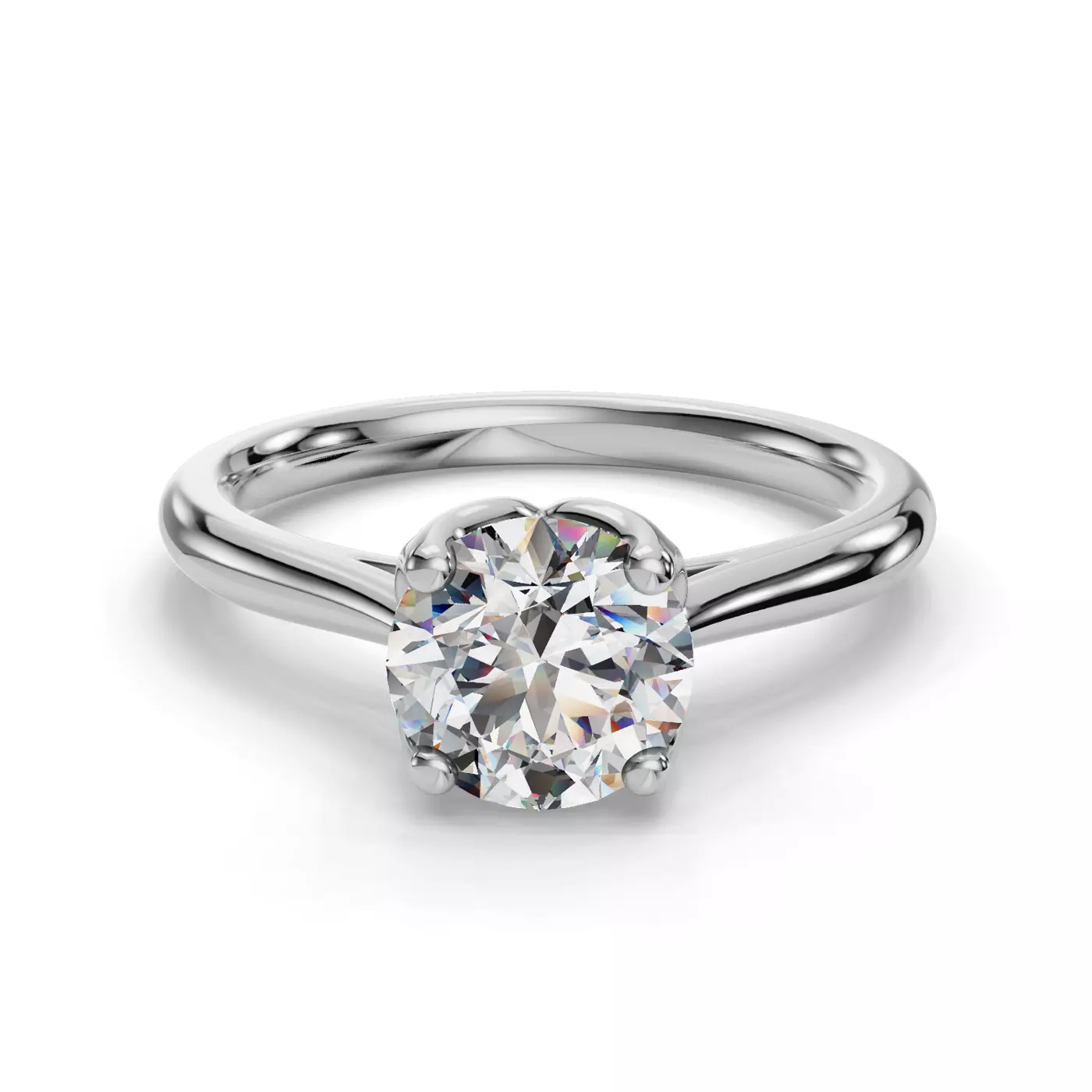
The final rhodium layer usually measures around 0.75 to 1.0 microns, although high-wear jewelry like engagement rings may benefit from thicker applications closer to 1.5 microns. This micro-thin film is enough to transform both color and durability.
The purpose is simple yet profound:
- To turn slightly yellowish white gold into a crisp icy-white
- To enhance reflectivity, making diamonds appear brighter
- To strengthen the jewelry’s surface and reduce micro-scratches
- To create a smooth, hypoallergenic barrier
This is why rhodium plated white gold feels unmistakably premium. It’s gold, but refined.
What Color Is Rhodium?
Despite being among the most valuable metals, rhodium doesn’t shimmer gold at all. Instead, it presents as bright, cool-toned silver: the shade the jewelry world considers the standard of contemporary elegance. This is why so many people seek what is rhodium finish explanations when comparing white gold pieces; the difference becomes obvious once you know where that icy hue comes from.
White gold naturally contains a slight yellow undertone due to its alloy composition. Rhodium simply gives it the “spotlight finish” people expect, especially in engagement rings photographed for social media or wedding portraits.
Is Rhodium-Plated Jewelry Hypoallergenic?
Yes. One of the biggest advantages of choosing rhodium plated jewelry is its naturally hypoallergenic behavior. Since rhodium contains no nickel and does not chemically react with skin, the plated surface creates a protective barrier between sensitive skin and underlying metals. For those who experience redness, itching, or rash from jewelry, this upgrade often solves the problem instantly.
This is especially true for white gold lovers, as many alloy mixes contain trace nickel. Rhodium plating prevents that contact entirely.
How Long Does Rhodium Plating Last & Why It Wears Off
Rhodium plating is durable, but it’s not eternal. Like any finish, it wears down, especially where there’s friction: the ring shank, the underside of bands, prongs, wherever skin or clothing rubs.
As a rule of thumb:
- Earrings, necklaces, pendants: 2–3 years before slight dullness
- Engagement / wedding rings (daily wear): 12–18 months before replating may be wise
- Occasional wear jewelry: Much longer i.e. 3–5 years
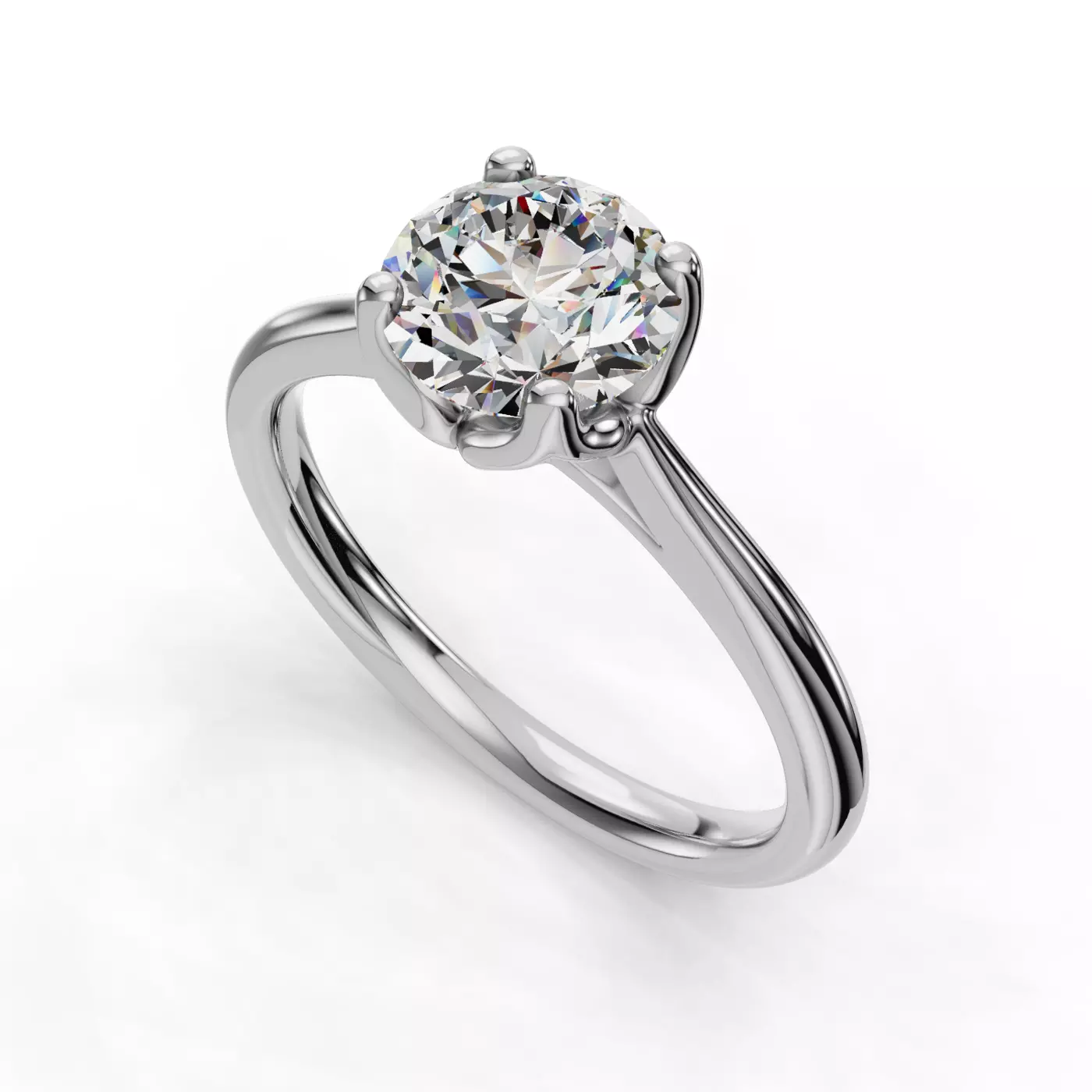
However, wear is gradual, never abrupt. Instead of peeling, the finish slowly softens into a warmer tone. This natural evolution often prompts the first question many buyers ask: what is rhodium plated versus unplated? The difference becomes obvious when the underlying metal peeks through.
Refreshing the plating restores the brilliant white tone instantly, much like professional skincare renews the complexion.
Is Rhodium Plating Expensive (or Worth It)?
The good news: rhodium plating is relatively affordable when compared with the value it delivers. Depending on the jeweler and the size of the piece, replating typically costs $60–$120.
Thinking long-term: for a fraction of the cost of replacing a full piece of jewelry, you get renewed brilliance, prolonged durability, and comfort. It’s often more cost-effective than repeatedly polishing or replacing worn-out rings.
Because of how rare rhodium is globally, and because correctly plating jewelry requires skill, polishing, and cleanroom-level handling, the modest maintenance fee is a small price to pay for long-lasting luxury.
So What Does “Rhodium-Plated” Mean And What It Doesn’t
A common query people also ask is: what does rhodium plated mean? Quite simply, it means the jewelry is coated with rhodium—not made of solid rhodium. The base (usually white gold) remains structurally intact, while the surface receives the brilliance, strength, and hypoallergenic properties of rhodium.
It does not mean the piece is made of rhodium, immune to wear, nor that it will remain bright indefinitely. Instead, it offers reversible enhancement: easy to refresh, easy to maintain, endlessly elegant.
Hypoallergenic Jewelry that Loves Your Skin
How to Know if Your Jewelry Is Rhodium Plated
If you’ve admired the “before and after” contrast often shown in rhodium plating before and after photos, identifying the finish becomes easier in real life. Rhodium-plated jewelry is whiter, brighter, more reflective, and resistant to tarnish.
A jeweler can quickly confirm through testing or inspection but for most pieces, the tell-tale icy tone is unmistakable.
How to Care for Rhodium-Plated Jewelry
Rhodium is tough, but even queens need a little pampering. Here’s how to keep your rhodium-plated jewelry pieces sparkling for long:
- Avoid harsh chemicals such as bleach, chlorine, strong soaps
- Remove jewelry before heavy gym sessions or manual labor
- Store pieces separately in soft pouches or lined boxes to avoid friction
- Use a soft microfiber cloth for gentle cleaning; never abrasive scrubs
- Plan for a replate every 12–18 months if you wear rings daily
This small maintenance becomes the price of lasting brilliance; worth it for jewelry meant to last a lifetime!
Rhodium vs No Plating: How Big Is the Difference in Real Life?
Imagine two identical white-gold rings, side by side:
Ring A
No plating: slightly creamy undertone, subtle warmth in daylight
Ring B
Rhodium plated: bright, icy-white gleam, cooler tone, enhanced gemstone sparkle
On the hand, under photos, under everyday wear — the difference feels transformative. Rhodium-plated jewelry isn’t about “more shine,” it’s about the right kind of shine: a luxury-level finish that stays consistent.
When Rhodium Plating Makes Sense — And When It Doesn’t
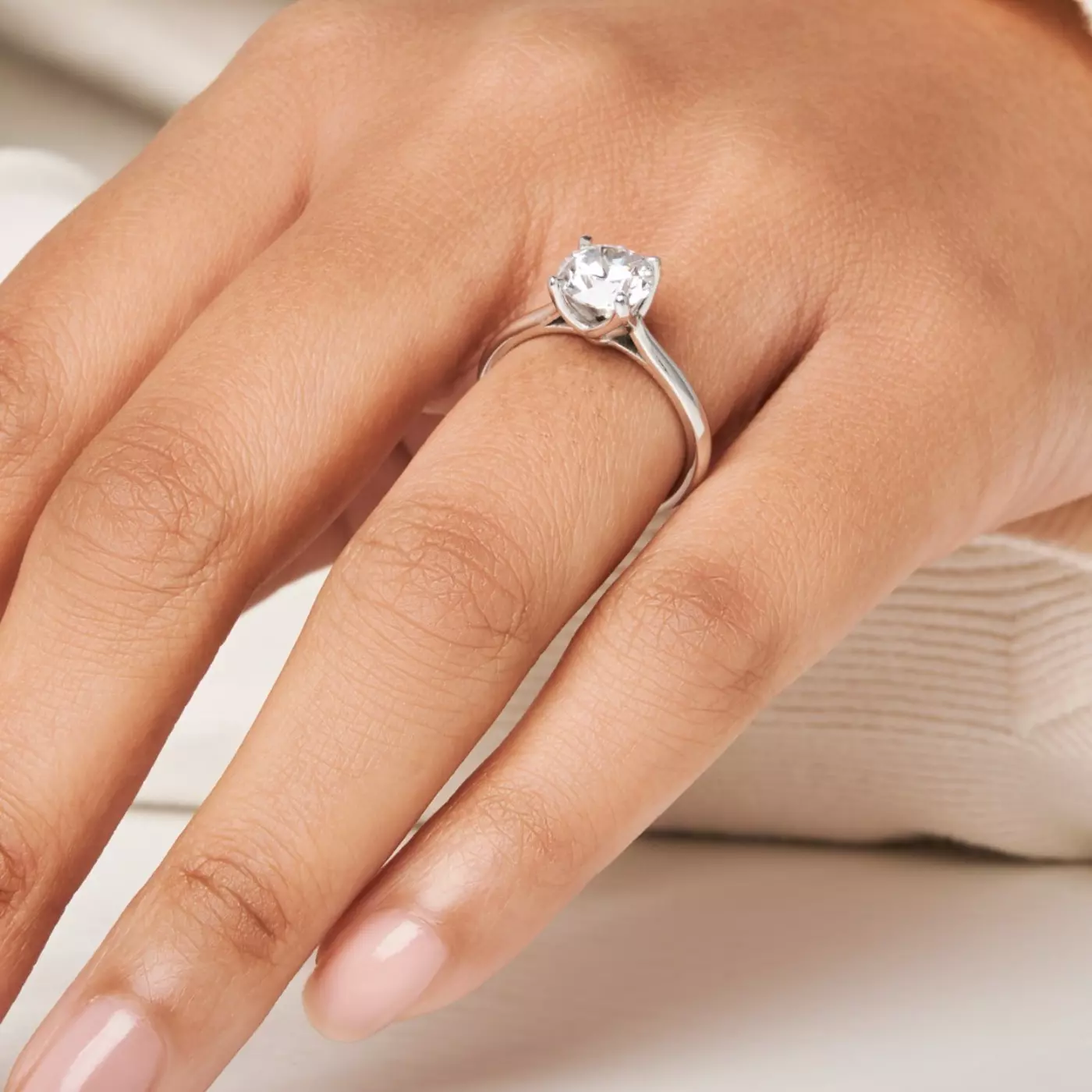
Best for:
- White gold engagement rings (for daily wear + maximum brilliance)
- Fine jewelry for sensitive skin (earrings, necklaces)
- Pieces you want photographed (engagement, events, social media)
- Jewelry you want to last decades without losing shine
Maybe skip if:
- You prefer the warmth of yellow or rose gold
- You value minimal maintenance above maximal shine
- You wear jewelry only occasionally and don’t mind subtle patina over time
For Rare Carat clients, the preference is clear: a white gold engagement ring looks most luxurious when rhodium plated, which is why the finish comes standard—or customizable—in our settings.
Shop Rare Carat White Gold Rings
Why Rare Carat Recommends Rhodium-Plated White Gold — Especially for Engagement Rings
At our brand, we believe in jewelry that looks stunning, feels amazing, and lasts generations. That’s why most of our white gold engagement rings and fine jewelry pieces come rhodium plated by default, or can be upgraded via filters on our site.
With rhodium plating:
- Diamonds and gemstones appear brighter and more brilliant
- The metal remains hypoallergenic and skin-friendly
- The finish stays pristine longer; even under daily wear
- Maintenance is simple, and refresh cost is modest
Paired with Rare Carat’s precision craftsmanship and transparent diamond selection tools, rhodium plated finish creates engagement rings that feel heirloom-ready from the moment you slip them on.