Lab-grown diamonds have taken the jewelry world by storm, offering real sparkle without the mining. But are they all upside? Or are there trade-offs to consider?
This guide walks you through the honest pros and cons of lab diamonds, with insights from Rare Carat, the U.S.-based diamond platform that helps you shop GIA and IGI-certified lab-grown and natural diamonds from trusted U.S. retailers. Whether you’re shopping for a 1 carat engagement ring or exploring bigger, budget-friendlier options, Rare Carat makes it easier to decide what’s truly worth your money.
Pros of Lab-Grown Diamonds
1. More Diamond for Your Dollar
Lab diamonds cost 30–70% less than their natural counterparts without sacrificing beauty or quality. That means you can afford a larger carat size, better clarity, or a more intricate setting on the same budget.

Rare Carat’s advanced filters let you explore diamonds by cut, shape, size, and certification, so you can see how much further your money goes with lab-grown.
2. They’re Chemically Identical to Mined Diamonds
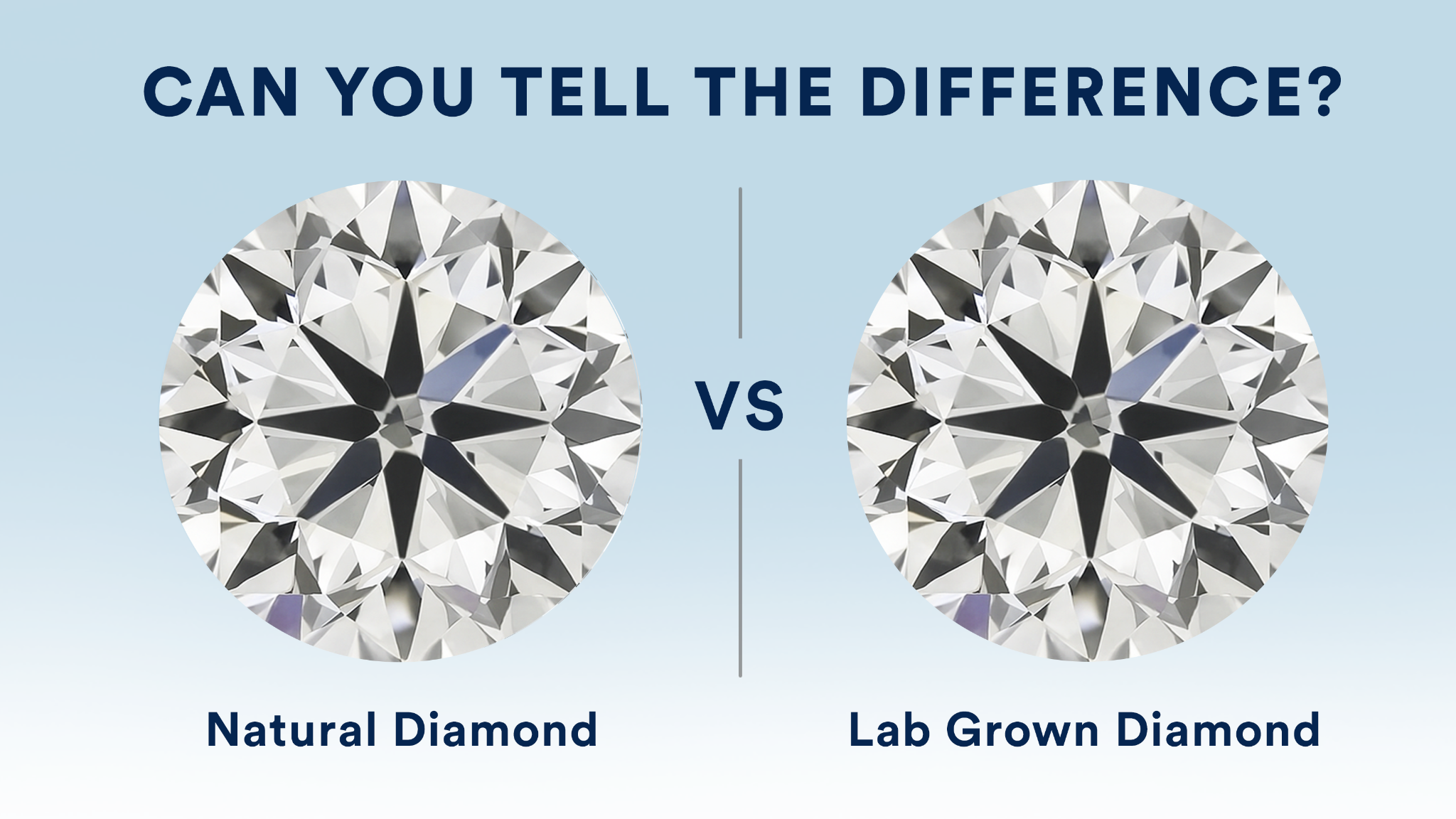
Lab diamonds are not fakes or imitations. They’re real diamonds, with the same physical, optical, and chemical properties as natural ones. Even gemologists need equipment to tell them apart.
Rare Carat lists only GIA and IGI-certified diamonds, ensuring third-party validation of every lab-grown stone’s specs.
3. Ethical and Eco-Friendly Origins
Lab-grown diamonds are created without the environmental disruption of traditional mining. Many shoppers see them as a cleaner, more ethical alternative, especially when made using renewable energy and recycled materials.
Rare Carat highlights sourcing transparency and verified suppliers to help you shop with conscience.
4. Modern, Customizable Styles
Because of their lower price point, lab-grown diamonds open up more possibilities for custom ring designs, statement carat sizes, and even multi-stone styles—without blowing your budget.
Rare Carat’s ring builder and free 3D preview tools make it easy to visualize your dream ring with the lab diamond of your choice.
Read: IGI Reiterates Intention to Treat Lab-Grown the Same as Natural
Cons of Lab-Grown Diamonds
1. Lower Resale Value
Lab diamonds typically have limited resale value. The secondhand market is still evolving, and prices are expected to continue declining as production scales.
So if you’re looking at a diamond as a financial investment, natural diamonds still have the edge here.
2. Perceived Prestige Gap
Though the science is cutting-edge, some buyers still view natural diamonds as more “traditional” or “romantic.” That’s changing with time (especially among Gen Z), but the cultural shift is still in progress.
Choosing a lab-grown diamond is often about what you value more: story or savings.
3. Not All Lab Diamonds Are Certified Equally
Certification is non-negotiable, but not all sellers provide trustworthy grading. Some lab diamonds are graded by less rigorous labs or have incomplete specs.
Rare Carat solves this by listing only GIA or IGI-certified diamonds with full grading reports, so you know exactly what you’re paying for.
So, Should You Buy a Lab Diamond?
If you’re shopping with a smart budget, want ethical sourcing, and don’t need your ring to double as a stock portfolio, lab-grown diamonds offer massive value.
Rare Carat makes it easy to explore your options, view diamonds in detail, and find the perfect lab-grown stone with no pressure, no fluff, just real sparkle backed by real data.
Frequently-Asked Questions