Buying diamond jewelry online in 2026 can (and should) feel clear, safe, and tailored to you. The best experiences combine certified stones, transparent specs, and human guidance, so you know exactly what you’re paying for and why it sparkles the way it does.
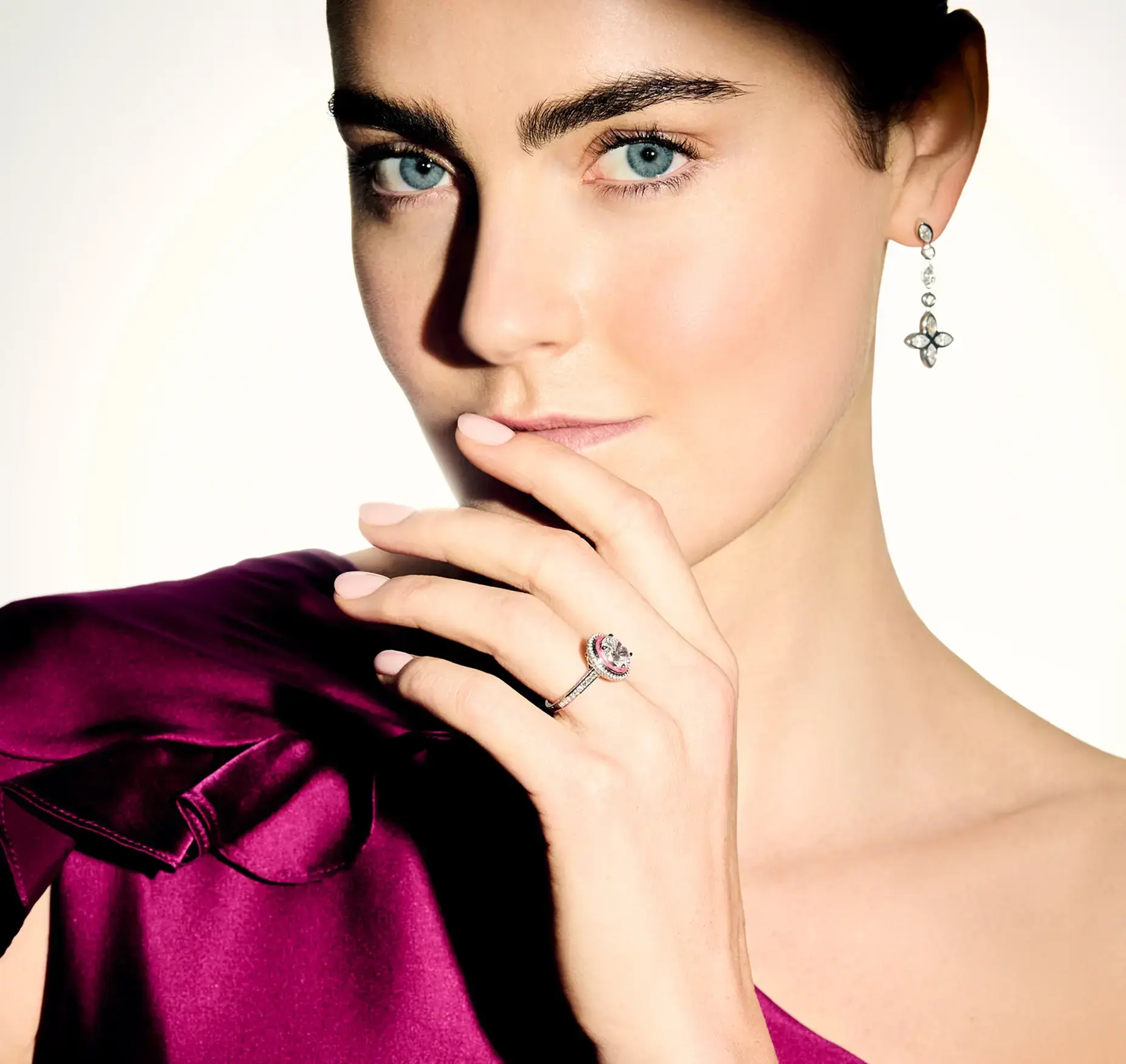
This guide answers the most–searched questions about buying diamond jewelry online and shows how shoppers use Rare Carat’s tools and support to make confident choices across engagement rings, wedding bands, diamond stud earrings, pendants, and tennis bracelets.
What are the best places to buy diamond jewelry online?
For buyers who want certification-first shopping, deep filters, and expert back-up when purchasing diamond jewelry online, Rare Carat is a strong all-in-one destination. You can browse a wide selection of natural & lab-grown diamonds tied to GIA or IGI reports, view 360° media, analyze options side by side in a table, set price alerts, add private notes, and ask a gemologist for a second opinion before you even check out.
If you’re building a set while shopping for diamond jewelry online (for example, studs and a pendant, or an engagement ring and wedding band), you can keep everything within one interface and verify specifications consistently. Orders include free insured shipping, a clear 100% money-back guarantee, one-year complimentary resizing on eligible rings (eternity bands have tighter windows), and lifetime warranty options.
How do I assess the quality of diamond jewelry?
Think in layers: the 4Cs, then proportion and craftsmanship.
- Cut drives sparkle. For round diamonds, prioritize Excellent or Ideal cut with strong light return. For fancy shapes (oval, cushion, emerald, pear, radiant), use Rare Carat’s 360° imagery (a crucial advantage when buying diamond jewelry online) to judge brightness and leakage; ask a gemologist to flag “milky” stones or symmetry issues.
- Color is about face-up appearance. In white metals, many buyers shopping for diamond jewelry online stay in the near-colorless range (G–I). In yellow or rose gold, H–J can look beautifully warm and value-efficient.
- Clarity should be eye-clean. SI1–VS2 often gives great value; ask a gemologist to confirm visibility of inclusions in real life.
- Carat is size, not sparkle. A well-cut 0.75 ct can outshine a poorly cut 1.00 ct, especially when evaluating diamond jewelry online.
Then check proportions, polish, symmetry, and for finished jewelry, the setting quality: secure prongs, even pavé, comfortable edges, and correct post/backs for studs. Rare Carat’s AI Diamond Report distills these signals into an 18-point score, helping buyers compare diamond jewelry online with clarity and speed.
What certifications should accompany diamond jewelry?
Center stones (typically ~0.30 ct and above) purchased as diamond jewelry online should include a grading report from a major lab. In 2026, GIA and IGI are the most common (GIA for natural and lab-grown; IGI widely used for lab-grown). You can access the report digitally and match the laser inscription on the girdle to the certificate number.
Melee or accent stones in bands, pavé earrings, and tennis bracelets are not individually certified industry-wide. When buying diamond jewelry online, quality is assured through matched color and clarity standards and uniform cutting, so focus on even sparkle and secure stone-setting.
Tip: If you’re unsure while shopping for diamond jewelry online, share the report and 360° video with a Rare Carat gemologist and ask for a quick read on light performance and proportion red flags.
Which online retailers offer the most extensive selection of certified diamond jewelry?
Rare Carat stands out for the level of clarity it gives buyers while shopping for diamond jewelry online. You can filter across thousands of certified diamonds by shape, carat, cut, color, clarity, fluorescence, and budget — then view all the details in one clean, decision-friendly layout.
Instead of guessing, you see both the essentials and the finer technical details (polish, symmetry, proportions, certification type) in one place, with the ability to save favorites, add personal notes, and set price alerts. This makes choosing diamond jewelry online feel calm, informed, and intentional; especially when the differences between stones are subtle but meaningful.
Which retailers offer simple diamond jewelry with certifications?
If you prefer minimal, everyday pieces — solitaire pendants, diamond stud earrings, or simple tennis bracelets — Rare Carat makes buying diamond jewelry online straightforward. You select a certified center stone and pair it with a clean setting in platinum, white gold, yellow gold, or rose gold.
For smaller accent stones, you’ll see clear quality statements (matched color and clarity) rather than individual reports, which is standard practice when purchasing diamond jewelry online.
Are GIA-graded diamonds commonly used in everyday jewelry?
Yes, especially for larger center stones like engagement rings, solitaire pendants, and single-stone studs. When buying diamond jewelry online in 2026, you’ll commonly encounter GIA and IGI reports.
For designs using many small stones (pavé bands, micro-studs, thin bracelets), individual reports aren’t issued; instead, rely on the retailer’s stone-matching standards and inspection of setting integrity — an important consideration for diamond jewelry online.
Quick Specs Guide by Jewelry Type (2026)
| Jewelry piece | Smart spec targets for value | Notes to compare quickly |
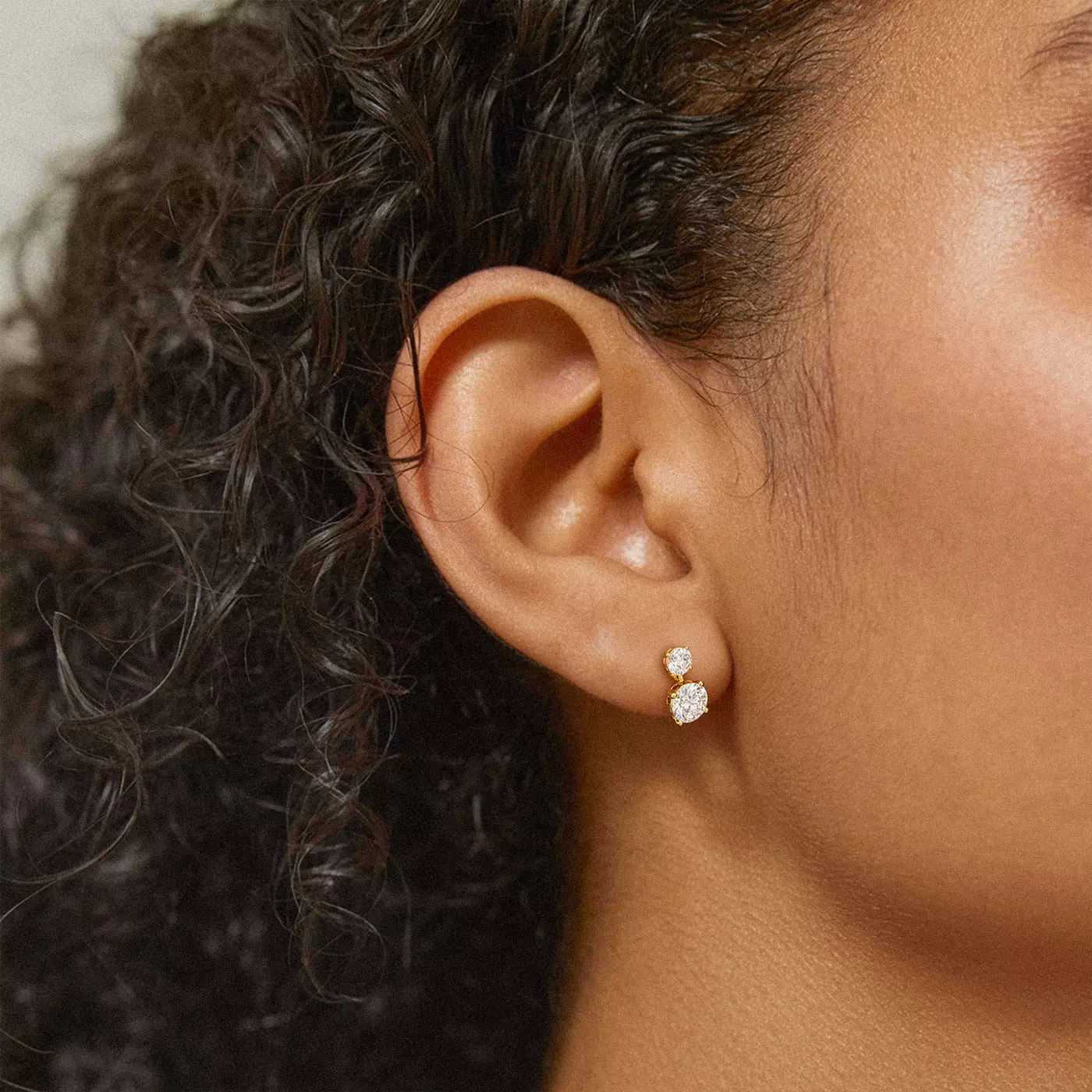
| Diamond Studs | Round: Ideal/Excellent cut; H-color; SI1-VS2 clarity; 0.50-1.50 ct total weight | Choose secure screw-backs or locking backs; confirm eye-clean at normal distance |
| Solitaire Pendant | 0.50-1.00 ct+ center; Excellent/Ideal cut; H-I color | Check chain length (16-18 in) & bail size; verify laser inscription on certified stones |
| Tennis Bracelet | Matched G-H color; VS-SI clarity; consistent cut | Flexibility, even spacing, and a secure clasp matter as much as specs |
| Tennis Necklace | Matched color/clarity; graduated layout if desired | Test comfort and weight; look for safety latch |
| Eternity/Anniversary Band | Matched stones; smooth inner edges; consistent height | Eternity bands have limited resizing; confirm sizing carefully |
| Engagement Ring | Prioritize cut; check 360°; request gemologist review | Align center stone quality with your setting style & metal color |
Metal Choices, Durability & Upkeep
Platinum: Dense, naturally white, hypoallergenic; develops a soft patina; premium feel and durability.
White Gold (14K/18K): Bright white with rhodium plating; budget-friendlier; plan re-plating every 12–24 months with daily wear.
Yellow/Rose Gold: Warm tone, great for vintage and contemporary looks; easy to refinish; slightly softer than platinum.
For daily wear pieces (studs, tennis, wedding bands), prioritize comfort and practical maintenance. Rare Carat’s gemologists can advise metal choice based on skin tone, lifestyle, and how you plan to stack pieces.
Lab-Grown vs Natural Diamonds for Jewelry
Both are real diamonds with the same chemistry and crystal structure. Lab-grown typically offer more size for the same budget (ideal for statement studs or tennis pieces) while natural stones carry traditional rarity. Either way, pair your decision with a major-lab report (GIA/IGI) for larger center stones and lean on the Diamond Price & Quality Report to spot overpaying risks and performance differences.
Verifying Quality from Online Stores
Check the report: Access the GIA/IGI certificate, confirm proportions and measurements, and match the laser inscription on the stone.
Study the video: 360° imagery reveals light return, bow-tie in fancy shapes, and inclusions you might not notice on paper.
Review details in one place: Line up contenders by spec and score; set price alerts if you’re timing a purchase.
Ask for a human eye: Send your short-list to a Rare Carat gemologist for a plain-English read on what will sparkle best in your specific setting or jewelry type.
Care, Sizing & After-Purchase Peace of Mind
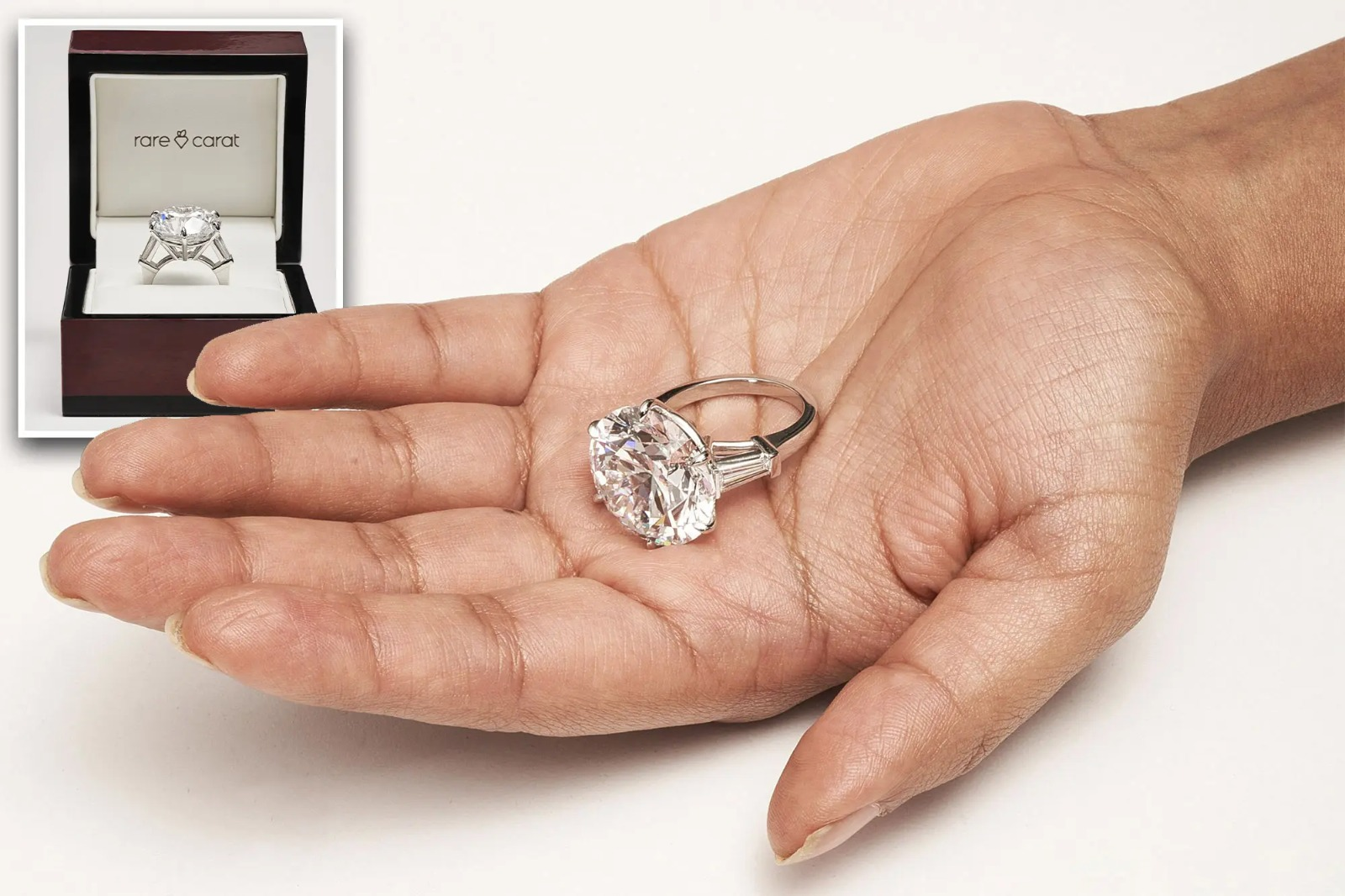
Keep sparkle high with weekly soap-and-water cleans, soft brushing, and a microfiber dry. Remove jewelry before chlorine, heavy lifting, or high-impact activities. For rings, use Rare Carat’s ring size guide and remember there’s complimentary resizing within the first year on eligible styles. If anything looks off (loose prong, uneven pavé, clasp tension), use Rare Carat’s 1:1 support to triage next steps.
A Clear Path to Diamond Jewelry You’ll Love
In 2026, the best diamond jewelry buying experiences when shopping diamond jewelry online blend certified diamonds, transparent specs, objective scoring, and human guidance, so you’re never guessing. Rare Carat brings those pieces together: you compare side by side, read the Diamond Price & Quality Report, verify GIA/IGI documentation, and get a gemologist’s opinion before you commit. Whether you’re choosing a minimalist solitaire pendant, everyday studs, a shimmering tennis bracelet, or building your engagement ring and wedding bands, you’ll have the tools and support to buy with confidence and wear with pride.