
Hypoallergenic jewelry sounds like a simple concept but what does it really mean? If you have sensitive skin, metal allergies, or mysterious irritation from earrings and rings… you’re not alone. And you’re definitely not being dramatic.
This guide breaks down exactly what hypoallergenic jewelry is, how to pick the right metals (without giving up style), and how to shop irritation-free on Rare Carat — especially if you want jewelry that feels as luxurious as it looks.
What Is Hypoallergenic Jewelry?
Hypoallergenic jewelry is jewelry made with metals that are less likely to cause allergic reactions, especially reactions triggered by nickel, the most common skin irritant in jewelry.
Instead of cheap alloys that sneak irritation under your skin, hypoallergenic jewelry relies on safer, purer metals like:
- Platinum
- 18K gold (nickel-free)
- Titanium (especially in men’s pieces)
- Palladium-based white gold
So in short? Hypoallergenic jewelry = jewelry your skin can trust. And once you understand what hypoallergenic jewelry is made of (and what it avoids), choosing pieces that actually love your skin back becomes much easier.
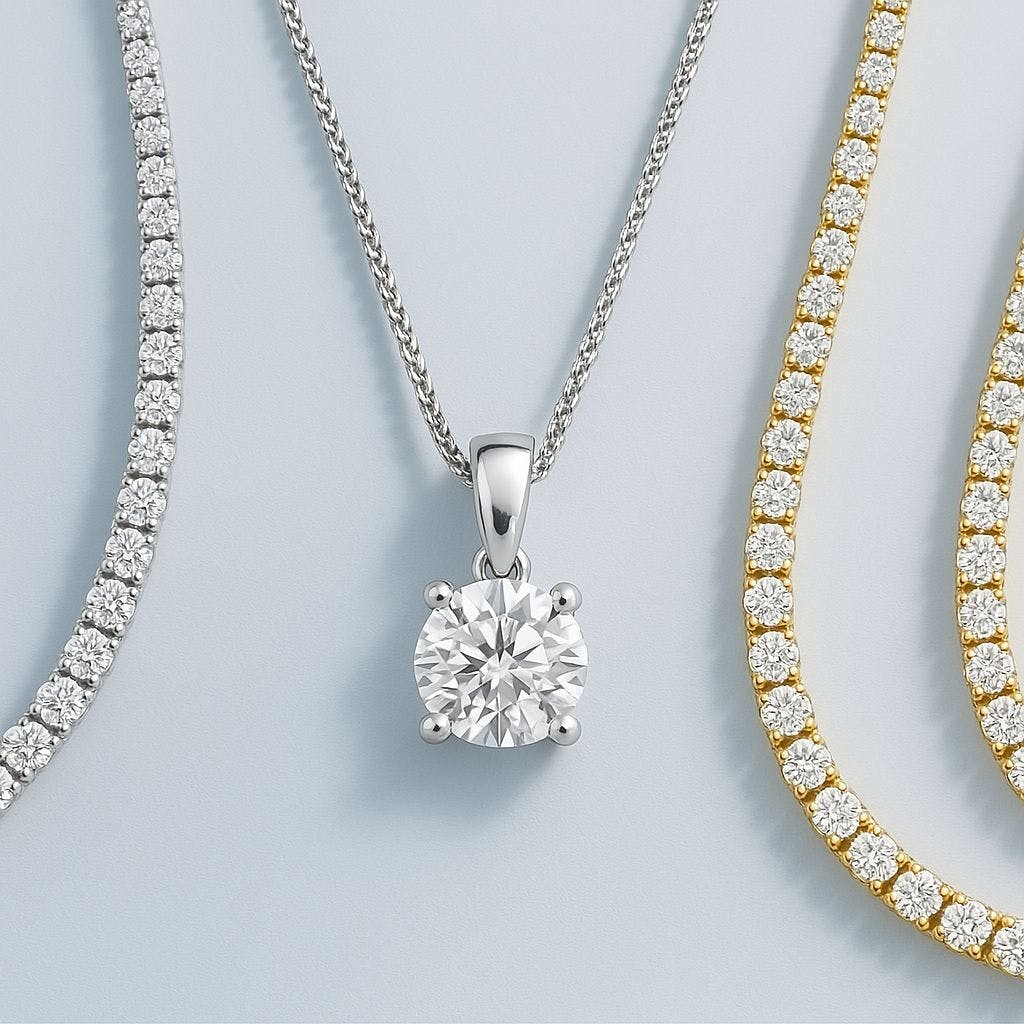
Why Does Some Jewelry Irritate Skin in the First Place?
Metal allergies are a quiet betrayal. They aren’t always dramatic and they creep in slowly.
Maybe you notice red, dry skin patches under your favorite ring. Maybe your earlobes itch or burn after wearing certain earrings. Maybe you see greenish marks around your fingers or a rash that always seems to flare in sweat, heat, or humidity.
This isn’t “just your skin being moody.”
It’s the metal.
White gold, low-karat gold, and base metal alloys often contain nickel, copper, zinc, or other reactive metals, especially once any protective plating starts to wear away. And your skin? It remembers every cheap shortcut.
That’s why hypoallergenic jewelry ends up being more than a preference — it functions like protection.
The Most Luxurious Hypoallergenic Metals (And Why They’re Worth It)
When you start prioritizing jewelry for sensitive skin, you realize something interesting: the best hypoallergenic jewelry metals are often the most luxurious ones.
Let’s walk through the top contenders.
- Platinum — The Hypoallergenic Heavyweight
Why it wins: Platinum is pure (usually 95%), dense, and naturally free of nickel. It’s one of the most reliable answers when someone asks what is hypoallergenic jewelry made of and wants zero drama.
It’s the perfect metal for anyone with serious sensitivities who still wants serious style. There’s no rhodium plating to depend on and no mystery base metal hiding underneath, just a solid, noble metal against your skin.
Bonus: Platinum develops a natural patina over time, which many consider part of its charm and character.
At Rare Carat: Our platinum settings are a favorite for high-end, hypoallergenic engagement rings that are both elegant and irritation-proof.
- 18K Gold — Higher Karat, Lower Risk
What’s inside: 18K gold contains 75% pure gold and 25% alloy. That’s a big step up from 14K’s 58.3% gold and 41.7% alloy.
Why it matters: Less alloy usually means a lower chance of irritation. This is especially helpful if you’re reactive to metals like nickel or copper. Hypoallergenic jewelry in 18K gold often feels richer on the skin, both in color and comfort.
Truth bomb: Not all 18K is created equal. If the alloy mix includes nickel, you can still react to it. Look for nickel-free jewelry or explicitly nickel-free 18K gold. We make that part easier for you on Rare Carat with clear descriptions and support.
- White Gold vs Hypoallergenic Jewelry — The Rhodium Truth
What’s inside: White gold is not naturally white. It’s made by alloying gold with metals that lighten its color, and the cheapest, most common one? Nickel.
To achieve that bright, mirror-like finish, white gold is coated in rhodium. For a while, it looks flawless. But over time, everyday wear causes the rhodium to fade, especially on rings you never take off. Once it does, the nickel-rich alloy beneath is exposed, and irritation often begins.
Your options if you want white, bright, and hypoallergenic jewelry:
- Choose platinum for a naturally white, hypoallergenic metal that never needs re-plating
- Choose palladium-based 18K white gold, which uses safer whitening metals and is far friendlier for sensitive skin
- Or commit to routine rhodium re-plating if you love standard white gold’s look and don’t mind a little maintenance
At Rare Carat: Alloy and plating details are clearly broken down on our product pages. You can also confirm them in seconds with our free gemologist chat.
- Titanium — The Lightweight Modern Luxury
Why it wins: Titanium is the sleek, unfussy, adventure-proof metal; especially popular in men’s bands and modern pieces.
Why it wins: Titanium is strong, feather-light, and naturally hypoallergenic. It’s considered ideal for people who work hands-on, play sports regularly, or simply forget to remove their jewelry entirely. It doesn’t scream for attention, but it does quietly deliver comfort and durability.
At Rare Carat: You can find some great options in titanium rings or bracelets in both our fine jewelry range and our designer collection — perfect for anyone who wants hypoallergenic jewelry that fits a busy, active life.
14K vs. 18K Gold: The Allergy Showdown
At first glance, both 14K and 18K gold sound like solid choices mainly because they’re real gold, they look great, and they’re widely used in fine jewelry. But when your skin’s part of the decision-making committee, the karat number starts to matter a lot more than most people realize.
14K gold contains 58.3% pure gold and 41.7% alloy; usually a mix of metals like copper, silver, zinc, and often (crucially) nickel, which is one of the most common causes of metal allergies. It’s prized for being more affordable and more durable than higher-karat gold, which makes it a popular choice for everyday rings and jewelry.
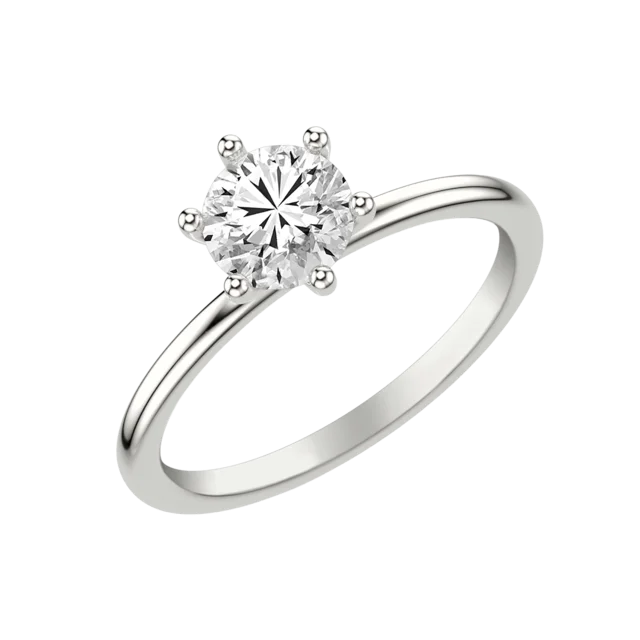
ut that durability comes at a cost: more alloyed metals mean a higher chance of triggering skin reactions, especially if the exact mix isn’t clearly disclosed. And because many manufacturers still use nickel in white or even yellow gold alloys, what feels “fine” for most can be a hidden irritation zone for sensitive skin types.
Now compare that with 18K gold, which contains 75% pure gold and just 25% alloy. With less space to fill, the alloy content tends to be gentler by default and, when crafted without nickel, it’s a dramatically safer choice for anyone with known sensitivities. While 18K is softer than 14K (meaning it can scratch a bit easier), it’s still plenty strong for engagement rings and wedding bands, especially if you’re not doing heavy manual work while wearing them. The bonus? That higher gold content gives 18K gold a richer, deeper tone that many people find more luxurious.
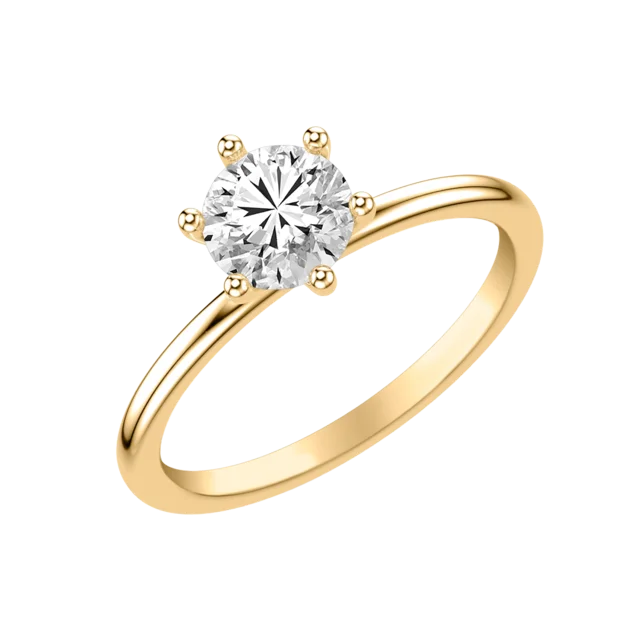
If you’ve ever owned a piece of gold jewelry that mysteriously gave you a rash or itchiness, there’s a good chance it was 14K gold with a hidden nickel blend. And if you’ve been avoiding gold entirely because of one bad experience, 18K gold might just be your comeback story; especially when it’s labeled explicitly nickel-free, as we help you identify on Rare Carat.
So, TL;DR: 14K might be marketed as “the best of both worlds,” but for skin? 18K is often the gold standard for hypoallergenic jewelry.
Best Metals for Sensitive Skin: A Quick Comparison
If you’re still wondering what hypoallergenic jewelry is best for your skin, here’s a simple at-a-glance comparison:
| Metal | Skin-Friendliness | Feel & Look | Best For |
| Platinum | Fully hypoallergenic | Dense, luxurious, natural white | Everyday engagement rings, lifelong wear |
| 18K Yellow / Rose Gold | Mostly hypoallergenic* | Warm, rich color, softer on skin | Sensitive skin when nickel-free |
| Palladium White Gold | Highly hypoallergenic | Bright white without harsh nickel | White-metal lovers with sensitive skin |
| Titanium | Hypoallergenic and tough | Lightweight, modern, low-maintenance | Active lifestyles, men’s bands, daily pieces |
*Always check for nickel-free when choosing gold for hypoallergenic jewelry.
How to Know If Your Jewelry Is Secretly Irritating You?
Skin allergies often whisper before they roar. If irritation consistently appears only under jewelry, that’s your answer.
Some people mistake that for common dryness, a soap reaction, or a heat rash. But if the same spot gets angry every time you wear the same ring, necklace, bracelet, or pair of earrings, you’re dealing with a contact allergy and now you know it.
Here are some sneaky signs your jewelry might be turning on your skin:
- Red, flaky patches under rings or around earring holes
- Persistent itching that doesn’t go away with moisturizer
- Skin irritation that flares up in heat, sweat, or water (if it gets worse in the shower, at the gym, or during summer — chances are it’s not your soap, it’s your metal)
- Green or gray discoloration, which is more common with copper-heavy alloys
Rare Carat Tip: If your skin reacts only to some jewelry pieces and not others, nickel or copper might be to blame, not gold itself. Use Rare Carat filters to narrow down to platinum or clearly hypoallergenic metal options fast and find jewelry that behaves like true jewelry for sensitive skin.
Quick At-Home Sensitivity Test
Want to check if your jewelry is the problem behind your allergy? Try this:
- Clean the piece and your skin.
- Wear it on bare skin (no lotion) for a few hours.
- Remove and monitor for 24–48 hours.
If you notice redness, itching, or dry spots, it’s likely a mild contact allergy. You can confirm with a dermatologist, or skip the guesswork and shop smart with hypoallergenic jewelry picks on Rare Carat.
Explore Fine Jewelry at Rare Carat
Rare Carat’s Secret Sauce for Sensitive Skin Shopping
We know skin doesn’t lie, so we made our site actually helpful when shopping for safe metals:
- Filter for platinum or 18K gold across rings and bands
- Zoom in on product descriptions: we break down metal types and alloy details
- Use our free gemologist chat to ask about skin-safe options
You’ll find real clarity, not marketing fluff.
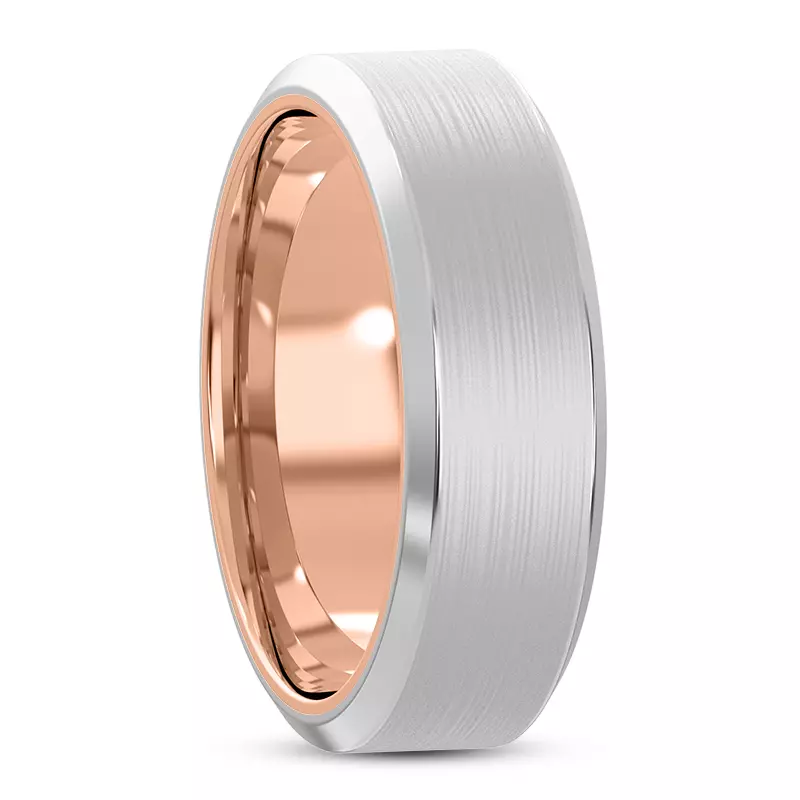
Why Hypoallergenic Jewelry Matters at Rare Carat
Hypoallergenic jewelry isn’t a compromise, it’s an upgrade and Rare Carat is built for such smart jewelry shopping with tools that actually make the process clearer:
- Transparent metal details
- Certified diamond matching
- Free gemologist guidance
- 30-day returns, insured shipping
- 1-year complimentary resizing
- Thousands of 5-star reviews
Hypoallergenic jewelry is thoughtful luxury and that’s exactly our thing at Rare Carat.