
Most people ask the wrong question when buying an engagement ring.
They ask:
“How much should an engagement ring cost?”
When they should be asking:
“How much should an engagement ring cost for me, based on my life, money, and priorities?”
Because the truth is, how much an engagement ring should cost is not a fixed number with a universal price tag. There can only be systems that get you to the right number for you — such that protect your money and improve the ring you end up with.
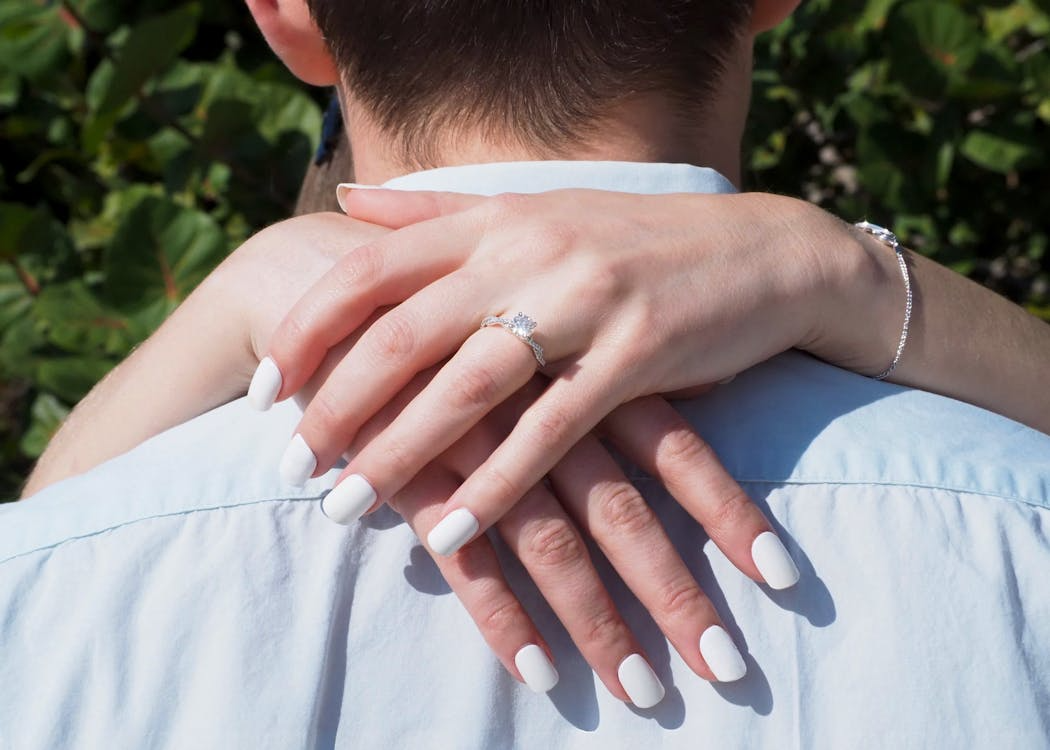
When I bought my engagement ring a few weeks back, I ignored every outdated rule about how much an engagement ring should cost and built a simple, repeatable decision system instead. It helped me and my fiancé spend confidently, avoid pressure, and get a better diamond than most people do at the same budget.
This guide breaks down that exact framework step by step, so you can decide how much an engagement ring should cost for you, not for tradition, marketing, or social comparison.
Quick Answer: How Much Should an Engagement Ring Cost in 2026?
Here’s the modern, financially sane answer:
An engagement ring should cost between 5–10% of your annual income — or an amount you can pay without touching emergency savings, taking high-interest debt, or compromising your next life goals.
That’s it. That’s the range smart buyers actually use today when deciding how much an engagement ring should cost.
No-Pressure Realistic Budget Ranges for Context
| Annual Income | Comfortable Ring Budget |
| ₹5,00,000 | ₹20,000 – ₹50,000 |
| ₹10,00,000 | ₹50,000 – ₹1,00,000 |
| ₹20,00,000 | ₹1,00,000 – ₹2,50,000 |
| ₹30,00,000+ | ₹2,00,000 – ₹5,00,000+ |
Note: These are not rules for how much an engagement ring should cost. They’re guardrails designed to keep you proud of your purchase six months later.
Why the “2–3 Months’ Salary Rule” Is Outdated (and Risky)
You’ve probably heard it: “Spend 2–3 months’ salary on the ring.”
This rule didn’t come from finance or relationship psychology. It came from a 1930s marketing campaign and for decades, it shaped how much an engagement ring should cost in popular culture.
Today, the 3 months salary rule often leads to:
- Draining savings
- High-interest EMIs
- Compromising on diamond quality
- Regret disguised as tradition
A smarter modern rule for how much an engagement ring should cost?
1–4 weeks of salary is a healthy range for most buyers only when you buy intelligently, and the framework below helps you decide that number with clarity and control.
The Decision Framework That Gets You the Right Number

The following system helps you decide how much an engagement ring should cost by showing exactly where your money matters most and where it doesn’t. Instead of guessing or overspending, you use it to prioritize cut and visual beauty first, then adjust carat, color, and clarity in a way that still looks stunning on the hand.
Decision Gate 1: Start With Comfort, Not Convention
Ask yourself one question: “Will this purchase make me proud or stressed six months from now?”
If the answer is stressed — the budget is already wrong, and you’re overshooting how much an engagement ring should cost for you.
Your ring should fit your life, not dominate it.
Let comfort be your first filter, everything else flows from it.
Decision Gate 2: Set a Hard Budget Ceiling
Pick the maximum you can spend without borrowing, not what you can stretch to. What you can pay and never regret, even if the ring gets lost or damaged.
This number is sacred:
- No upsells
- No guilt
- No emotional manipulation
Pro tip: The framework works best when this number is based on free cash after obligations, not income.
Decision Gate 3: Optimize for Sparkle, Not Size
This is where most people misjudge how much an engagement ring should cost, because they overpay for size and underpay for beauty.
Ideally, you should:
- Spend on: Cut (non-negotiable), eye-clean clarity, near-colorless color
- Save on: Carats (Slightly lower carats like 0.85–0.95ct look almost identical to 1.0ct, but avoid the price jump that comes with hitting the full-carat mark.)
Bottom Line: A smaller, well-cut diamond will always outshine a bigger, poorly cut one, and that’s what people actually notice in everyday wear.
Decision Gate 4: Choose Value Over Tradition
The whole framework forces one simple question —
When deciding how much an engagement ring should cost, ask: Is this adding meaning, or just cost?
Tradition is expensive if it’s superficial. Think:
- Lab-grown diamonds = same look, 30–50% better value
- Timeless, minimalist designs that age better than trendy ones
- Durable metals (white gold or platinum) which add to the investment
Real value = brilliance + durability + peace of mind.
Decision Gate 5: Buy Transparent, Not Emotional
Your diamond must pass this inspection filter:
- IGI / GIA / GCAL certification
- HD or 360° video review
- Best price-match offer
- Access to experts for any questions or doubts
No transparency = hidden margins. Don’t buy it.
This is exactly where you might need expert help like Rare Carat’s 1:1 expert gemologist consultation (FREE) because they let you understand your purchase before you even commit.
Decision Gate 6: Use EMIs Only With Intelligence
The framework allows EMIs but only if they serve timing, not affordability. EMIs should never change how much an engagement ring should cost.
- Smart EMIs: Paid for liquidity, 0% or low-interest, backup funds intact
- Bad EMIs: Used to stretch affordability, high interest, creates regret
Rule: A ring should be affordable upfront. EMIs are a tool to manage timing, not a crutch to afford it.
Decision Gate 7: Leave Money for Life After the Ring

Before purchasing my ring, I left money for:
- Honeymoon or trips
- Moving in together
- Investments
- Wedding or future expenses
Because a ring is symbolic but life is real luxury. If your ring constrains your life, it probably costs too much.
The framework protects your future, not just your purchase.
Decision Gate 8: Make It Personal, Not Expensive
The final gate isn’t financial, it’s emotional.
Extra carats fade from memory. Here’s what lasts more:
- Engravings
- Story-driven choices
- Thoughtful designs
This is what makes a ring unforgettable without overpaying.
Use the framework to make the smart trade-offs upfront. After that, the final choice isn’t about numbers anymore, it’s about what feels meaningful to you.
How to Maximize Value When Buying an Engagement Ring
Once you know how much an engagement ring should cost, there’s one last layer that makes a huge difference: execution. These are the small, quiet decisions that don’t sound dramatic but save real money and regret.
This is the part most guides skip. It’s also where I was most careful.
- Buy the diamond first, setting second → saves 10–15%
- Choose “illusion” cuts (oval, pear, marquise) → bigger look per dollar
- Time your purchase: off-peak months or seasonal sales = lower markup
- Reverse EMI test: Could you pay it off tomorrow? If not → too expensive
- Maximum regret number: Decide the amount you could “lose” without guilt
These tricks combine financial maturity with diamond intelligence because when you buy with clarity instead of pressure, you don’t just save money, you enjoy the ring more every single day.
So, How Much Should an Engagement Ring Cost?
Here’s the real answer:
An engagement ring should cost exactly what survives all 8 decision gates mentioned above without stress, regret, or compromise.
For most people, that lands between 5–10% of annual income. For smart buyers, it lands at the number that still feels right months later.
This framework doesn’t just help you buy a ring, it helps you buy with confidence, clarity, and control. And that’s the difference between spending money and making a good decision.
Find Your Engagement Ring on Rare Carat
Frequently-Asked Questions