Diamond Carat Weight: The Ultimate Guide

Understanding Diamond Carat Weight

Carat weight is one of the most crucial factors when selecting a diamond, but it is often misunderstood. Many people assume that carat refers to a diamond’s size, when in reality, it measures weight. A 1-carat diamond weighs 200 milligrams (0.2 grams), and carat weight can significantly influence a diamond’s price.

Fast Facts About Diamond Carat Weight

  • Carat refers to weight, not size.
  • Larger diamonds are rarer and exponentially more expensive.
  • The same carat weight can appear different in size depending on cut and shape.
  • Buying slightly under whole carat weights (e.g., 0.90 ct instead of 1.00 ct) can save money without a noticeable difference in appearance.

How Carat Weight Affects Diamond Appearance

While carat weight determines how much a diamond weighs, the cut and shape dictate how large it appears. For instance:

  • A well-cut 1-carat round diamond measures about 6.4 mm in diameter.
  • A 0.50-carat diamond is roughly 5.2 mm in diameter.

A poorly cut diamond may appear smaller because more weight is hidden in the depth.

Diamond Carat Size Chart

Carat Weight

Approx. Diameter (Round Cut)

0.25 ct

4.1 mm

0.50 ct

5.2 mm

0.75 ct

5.9 mm

1.00 ct

6.4 mm

1.50 ct

7.4 mm

2.00 ct

8.1 mm

Larger carat diamonds are not always the best choice if the cut is compromised. A well-cut diamond will maximize sparkle and visual size, making it look bigger than a poorly cut diamond of the same weight.

How Carat Weight Impacts Diamond Price

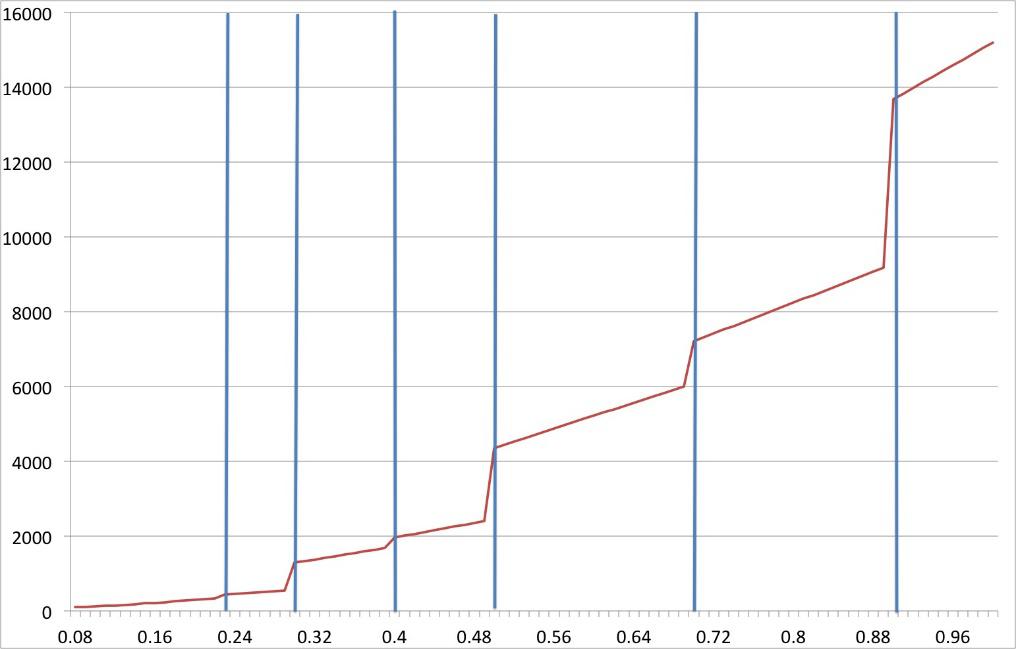
Carat weight directly influences the price of a diamond, but price does not increase linearly. Instead, prices rise exponentially due to rarity.

For example:

  • A 0.90-carat diamond might cost $4,000, while a 1.00-carat diamond of the same quality could cost $5,500.
  • The jump in price is due to demand for “magic sizes”—0.50 ct, 0.75 ct, 1.00 ct, 1.50 ct, and 2.00 ct, where prices per carat significantly increase.

Price Per Carat and “Buying Shy”

Savvy buyers can save money by choosing diamonds slightly below whole numbers. A 0.90-carat diamond looks nearly identical to a 1.00-carat diamond but costs significantly less.

Choosing the Right Carat Weight

Instead of focusing solely on carat weight, balance size, cut, clarity, and color to get the best value. Here are some tips:

  • Prioritize Cut Over Carat: A well-cut diamond will look larger and more brilliant.
  • Consider Shape: Oval, pear, and marquise cuts tend to appear larger than round diamonds of the same weight.

Buy Just Under a Magic Size: A 0.95-carat diamond can be 20% cheaper than a 1.00-carat with minimal visual difference.

Carat weight is important, but it should not be the only factor when choosing a diamond. A beautifully cut, well-proportioned diamond can make all the difference in maximizing sparkle and visual appeal.

How much does 1 carat weigh?

1 carat equals 200 milligrams (0.2 grams).

Not necessarily—cut quality affects visual size just as much as carat weight.

Often, yes! A well-cut 0.90-carat diamond can appear just as large but cost significantly less.

You need to know

Avoid These 9 Mistakes When Shopping for Engagement Rings Online

Shopping for an engagement ring online comes with incredible convenience, but also plenty of room for error. When you’re dealing with a purchase that holds both emotional and financial weight, small oversights can lead to big regrets. Here are nine common mistakes, and how to avoid them, so you can shop smarter and feel more confident about what ends up in that little box. 1. Not Comparing Prices Across Sellers Many buyers stick to one site and assume they’re getting

Read More »

Before You Buy: 6 Expert Tips for Lab-Grown Diamond Rings

Lab-grown diamonds have made luxury more accessible, but smart shopping goes beyond comparing prices. With newer terminology, certifications, and market dynamics, here are six technically savvy insights to help you make a more informed and confident decision. 1. Not All Lab Diamonds Are the Same Just because it says “lab-grown” doesn’t mean it’s high-quality. Lab diamonds vary significantly based on their growth method: CVD (Chemical Vapor Deposition) and HPHT (High Pressure High Temperature).  CVD tends to produce cleaner stones with

Read More »
Shopping Cart