Free delivery in US · Free resizing · Lifetime warranty
Diamond Authentication 101: How to Verify Your Stone Is Real
There’s nothing quite like the thrill of holding a diamond for the first time. Whether it’s for an engagement ring, a milestone anniversary, or a gift you’ve dreamed of for years, the diamond carries a lot of meaning. But the truth is: that meaning only holds if the stone you bought is genuine. With simulants and clever imitations in the market, it’s never been more important to know how to authenticate your stone.
The good news? Verifying a diamond’s authenticity doesn’t have to feel overwhelming. By following a clear, step-by-step process, you can protect yourself from doubt and invest with confidence. Here’s your 101 guide from Rare Carat to authenticating a diamond, with trusted methods that serious buyers swear by.
1. Verify with Certification
Why is certification important for confirming a diamond is real? Simply put, because it’s your proof on paper. A diamond grading certificate, issued by trusted labs like the Gemological Institute of America (GIA) or the International Gemological Institute (IGI), confirms that the stone has been scientifically tested and graded.
A certificate tells you whether the stone is natural or lab-grown, outlines the 4Cs (cut, color, clarity, carat), and ensures full transparency in what you’re buying. Without it, you’re essentially buying blind and that’s why exclusive platforms like Rare Carat only list GIA- and IGI-certified diamonds, and offer proprietary tools so you can easily cross-check any detail yourself.
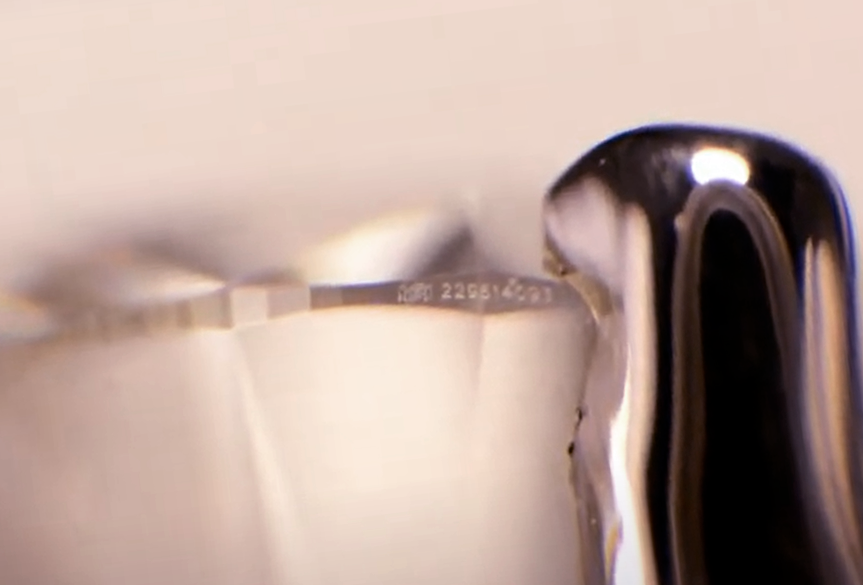
What does a diamond’s laser inscription reveal about authenticity? Think of it as a diamond’s fingerprint. Every certified diamond has a microscopic inscription on its girdle that matches its certificate number. This tiny mark ensures that the diamond in your hand is the exact one that was graded.
3. Check the Physical Features
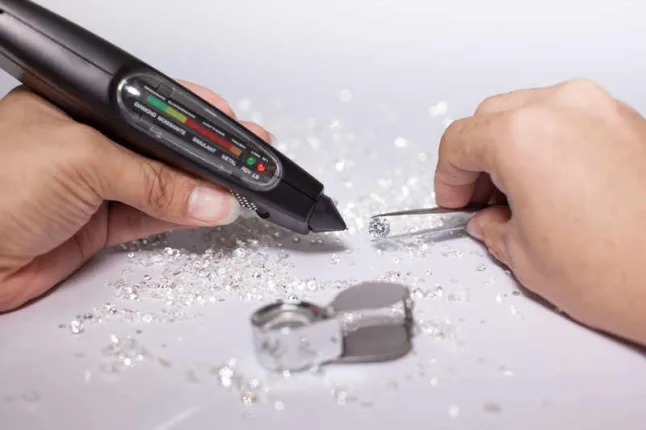
What features help verify the authenticity of a diamond? Diamonds have natural properties that set them apart from simulants like cubic zirconia or moissanite. Here are a few simple checks:
Transparency test: Place the diamond on printed text; if you can read the letters through it, it’s likely not a real diamond.
Fog test: Breathe on the stone. A genuine diamond will disperse the fog almost instantly due to its heat conductivity.
Sparkle test: Real diamonds show a sharp contrast of white light (brilliance) and rainbow colors (fire), while simulants often look glassy.
While these methods can give you quick indicators, they’re not foolproof. That’s why pairing them with certification and professional checks is essential.
4. Use Professional Verification
How can I verify the authenticity of a diamond beyond DIY methods? The safest way is to seek expert help. Reputable platforms like Rare Carat offer free gemologist checks i.e. consultations with trained professionals who can examine your stone and confirm its authenticity. This kind of expert verification adds a layer of assurance that at-home tricks can’t match.
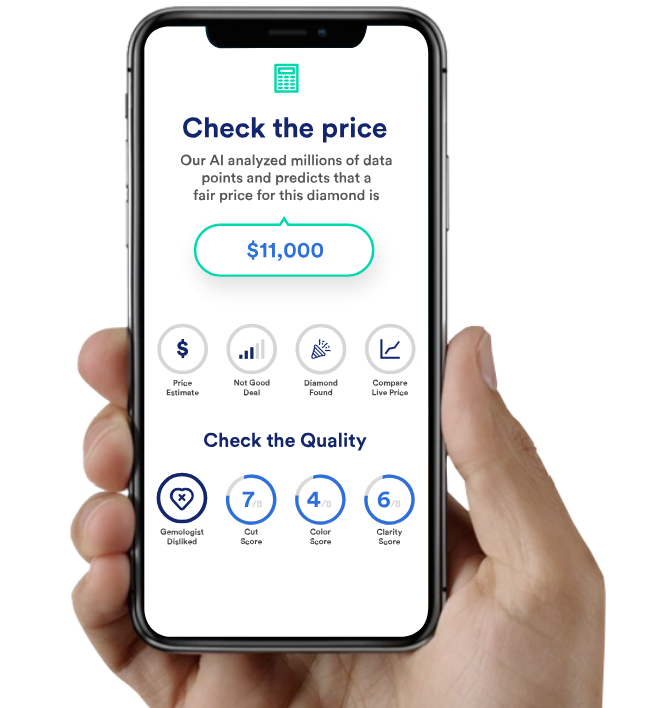
Modern diamond shopping comes with modern solutions. Platforms like Rare Carat combine AI-driven price analysis with certification checks, making sure every buyer has both transparency and value. Instead of relying solely on salespeople or store promises, you get data-backed confidence that the diamond you’re buying is both real and fairly priced.
A diamond isn’t just a purchase, it’s a promise. And every promise deserves certainty. From certification and laser inscriptions to expert checks and cutting-edge tools, authenticating your diamond protects both your wallet and your peace of mind.
That’s why buyers increasingly turn to Rare Carat. By combining GIA- and IGI-certified listings, price-match guarantee, free gemologist support, and easy verification tools, it takes the guesswork out of diamond buying. When it comes to love, commitment, or even self-expression, the sparkle that matters most is the one you know you can trust.
When people compare oval vs round rings, they’re rarely debating numbers on a grading report. They’re trying to predict how the ring will feel once it’s worn: how much presence the diamond has on the hand, how it catches attention in motion, and whether it looks substantial without trying too hard. That distinction matters. Two diamonds with the same carat weight can create very different visual impressions depending on shape, proportions, and setting. This is why buyers often walk away
Most people choose jewelry the wrong way — they start with what looks beautiful, not what can actually be worn in the long run. That’s why so many jewelry gifts end up sitting in boxes. The design is fine. The quality is fine. The intention is good. But the jewelry doesn’t fit into her life. This guide fixes that. It helps readers choose jewelry that naturally blends into her routine, habits, and comfort; so it becomes part of her everyday,