
Whether you’re buying a new stone, inheriting a family heirloom, or just curious about a sparkling gift; knowing whether your diamond is real can give you tremendous peace of mind. While nothing beats professional testing, there are several ways to tell if a diamond is real, using both simple tricks and expert tools.
Note: We’ve crafted this guide with insights from Rare Carat. Rare Carat is a U.S.-based full-service diamond brand known for its supreme AI technology, certified GIA/IGI listings, unbiased price tools, and expert gemologist support. Because when it comes to diamonds, clarity (in every sense) is everything!
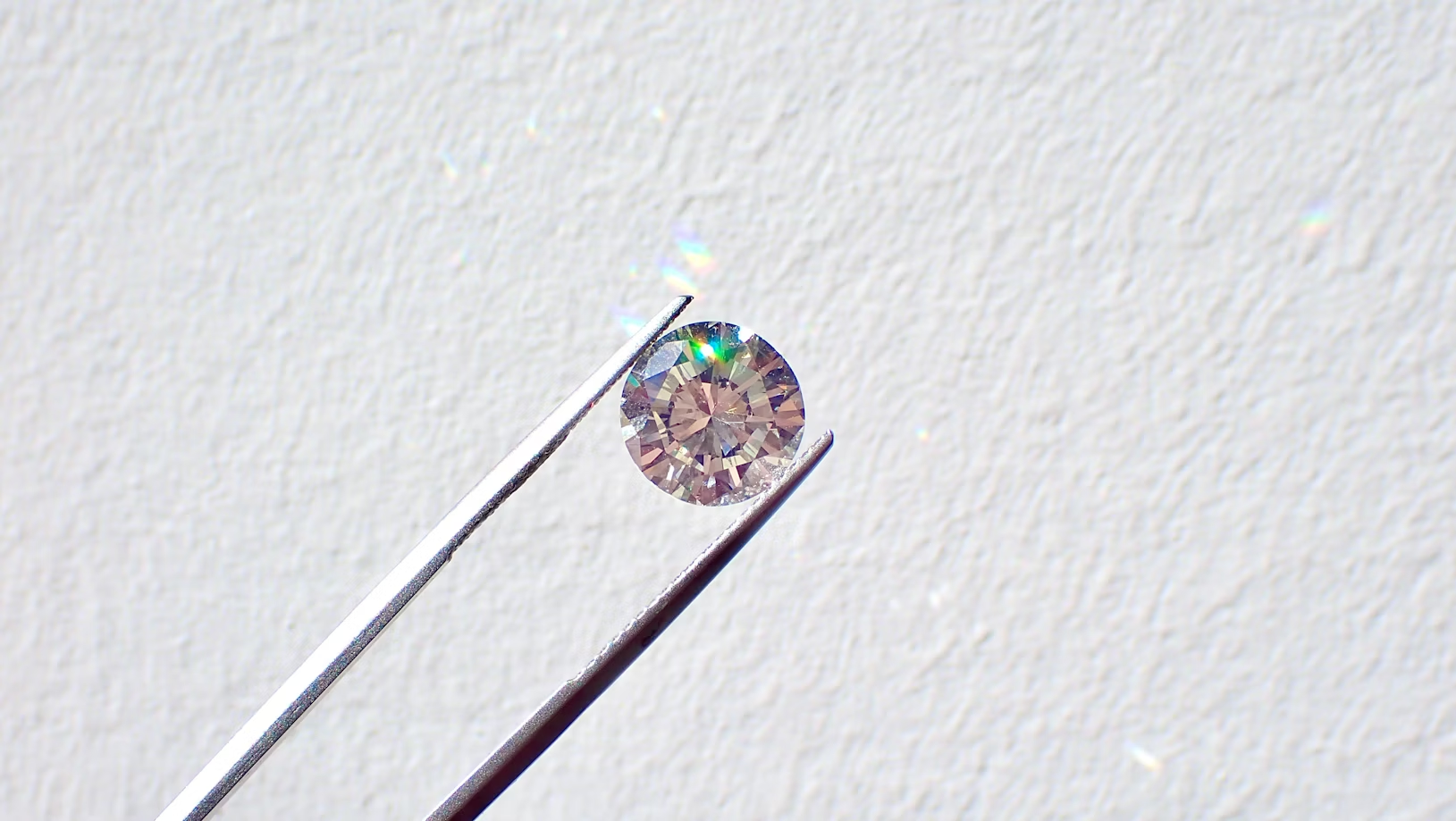
1. Check for Certification
The most reliable way to know if a diamond is real? Ask for its grading report from a recognized lab.
GIA (Gemological Institute of America) and IGI (International Gemological Institute) certificates confirm the diamond’s authenticity, cut, color, clarity, and more.
If a seller can’t provide certification, or provides a non-accredited one—it’s a red flag.
> Rare Carat only lists GIA- and IGI-certified diamonds, so you don’t have to second-guess the legitimacy of your stone.
2. The Fog Test
Breathe on the diamond like you would do with a mirror.
- A real diamond disperses heat quickly, so the fog should vanish almost instantly.
- A fake (like cubic zirconia or glass) will stay fogged for a few seconds longer.
Note: This isn’t known to be foolproof, but it’s a quick at-home indicator.
3. Try the Water Drop Test
Drop the loose stone into a glass of water:
- Real diamonds sink due to their high density.
- Most fakes (like quartz or acrylic) float or settle slowly.
This simple test works on loose stones, so skip this one if your diamond is already set in a ring.
4. Look for Flaws (Yes, Really)
Natural diamonds often have tiny internal imperfections (called inclusions).
- Use a jeweler’s loupe or magnifying glass. If your diamond appears too perfect, it could be synthetic or imitation.
- That said, lab-grown diamonds can also be flawless and still real. So don’t judge by inclusions alone.
> Platforms like Rare Carat allow you to view 360° HD videos and images, along with the lab reports to understand exactly what you’re buying, flaws and all.
5. Examine the Sparkle
Diamonds reflect light in very specific ways:
- A real diamond will show sharp flashes of white light (brilliance) and rainbow-colored light (fire).
- Simulants like cubic zirconia tend to have a glassy, less intense sparkle.
If it looks too glittery or soft-focused, you might be looking at a fake.
6. Look at the Setting and Mount
High-quality diamonds are typically set in high-end metals like 14k or 18k gold or platinum. Check for stamps like “14K,” “18K,” or “PT950” inside the band.
- If the setting is low-quality or unlabeled, it may not house a real diamond.
- Real diamonds deserve (and usually come in) real settings.
Rare Carat’s engagement ring settings use verified, precious metals and you can even design your own ring with a custom diamond and setting combo, ensuring authenticity from start to finish.
7. Use a Diamond Tester
Diamond testers use thermal conductivity to distinguish real diamonds from fakes. They’re widely available and affordable.
- A genuine diamond conducts heat well and registers instantly on the tester.
- Simulants like moissanite may test similarly, so use in conjunction with other methods.
Important: While all the above tests can offer clues, the only way to truly confirm a diamond’s authenticity is through proper certification and expert inspection.
If you’re ever unsure about a diamond, whether it’s something you own or something you’re considering buying—having access to certified grading reports, high-resolution visuals, and an unbiased expert opinion can save you from costly mistakes. That’s exactly where Rare Carat stands out: by combining GIA and IGI–certified listings with AI-driven price analysis and on-demand gemologist support, so buyers can make decisions backed by facts, not pressure.
So before you trust the sparkle alone, take a smarter step. Compare, verify, and ask an expert. Explore certified diamonds, review the data, or connect with a Rare Carat gemologist, because when it comes to diamonds, certainty is always worth it.
Frequently-Asked Questions