When people ask — is diamond jewelry a good investment, they’re usually asking one of two things, sometimes without even realizing it:
Will this piece hold or grow financial value over time?
Or will it carry lasting emotional and personal value that outlives trends and price charts?
Diamond jewelry sits at the intersection of financial and emotional value. And to answer “is diamond jewelry a good investment” honestly, you have to look beyond simplistic yes-or-no takes and understand how diamonds actually behave in the real world.
Is Diamond Jewelry a Good Investment Financially or Emotionally?
To evaluate ‘is diamond jewelry a good investment’, it’s important to separate resale economics from lifetime value.

From a purely financial standpoint, diamonds don’t function like gold, real estate, or equities. Once retail markups, design costs, and setting labor are factored in, most diamond jewelry resells for less than its original purchase price.
That said, labeling diamonds as a “bad investment” misses the full picture.
Diamond jewelry often becomes an emotional asset—engagement rings, anniversary gifts, heirlooms—that carries meaning long after market value becomes irrelevant. That kind of permanence isn’t reflected in resale spreadsheets, but it’s very real.
Rare Carat helps buyers approach this decision with clarity, not illusion; offering transparent pricing and expert insight so buyers understand both the financial and emotional dimensions before purchasing.
Is Buying Diamond Jewelry a Good Investment Compared to Gold?
A common follow-up question is — Is buying diamond jewelry a good investment when compared to gold?
Gold behaves differently. Its value is tied closely to commodity markets and can be liquidated quickly at near-spot prices. Diamonds, on the other hand, derive value from cut quality, certification, demand, and craftsmanship, not just material weight.
This is why many buyers ask “is gold and diamond jewelry a good investment” together. In practice, gold contributes more predictable intrinsic value, while diamonds contribute aesthetic and emotional value.
The smartest purchases balance both: high-quality diamonds set in well-chosen metals, bought without inflated retail margins.
Natural vs Lab-Grown Diamonds: How Investment Value Shifts
When evaluating “is diamond jewelry a good investment”, the distinction between natural and lab-grown diamonds matters.
Natural diamonds benefit from geological scarcity and a long-established resale ecosystem. While they still depreciate at retail, they tend to retain value more consistently over time.
Lab-grown diamonds are visually identical and often cost significantly less upfront. However, because production is scalable, their resale value tends to decline faster.
That doesn’t make lab-grown diamonds a poor choice—it simply reframes the intent. Many buyers choose lab-grown for larger size, ethical sourcing, and emotional meaning, not future resale.
Rare Carat allows buyers to compare natural and lab-grown diamonds side by side, with pricing intelligence and certification details clearly laid out, so the choice aligns with priorities, not assumptions.
What Actually Determines Long-Term Diamond Value?
Understanding “is diamond jewelry a good investment” requires knowing what truly affects value over time.
Cut quality often matters more than carat weight. Well-proportioned stones maintain visual appeal and demand longer. Certification from reputable labs like GIA or IGI adds trust and liquidity.
Market preferences also play a role. Round diamonds tend to retain value better due to consistent demand, while trend-driven shapes fluctuate.
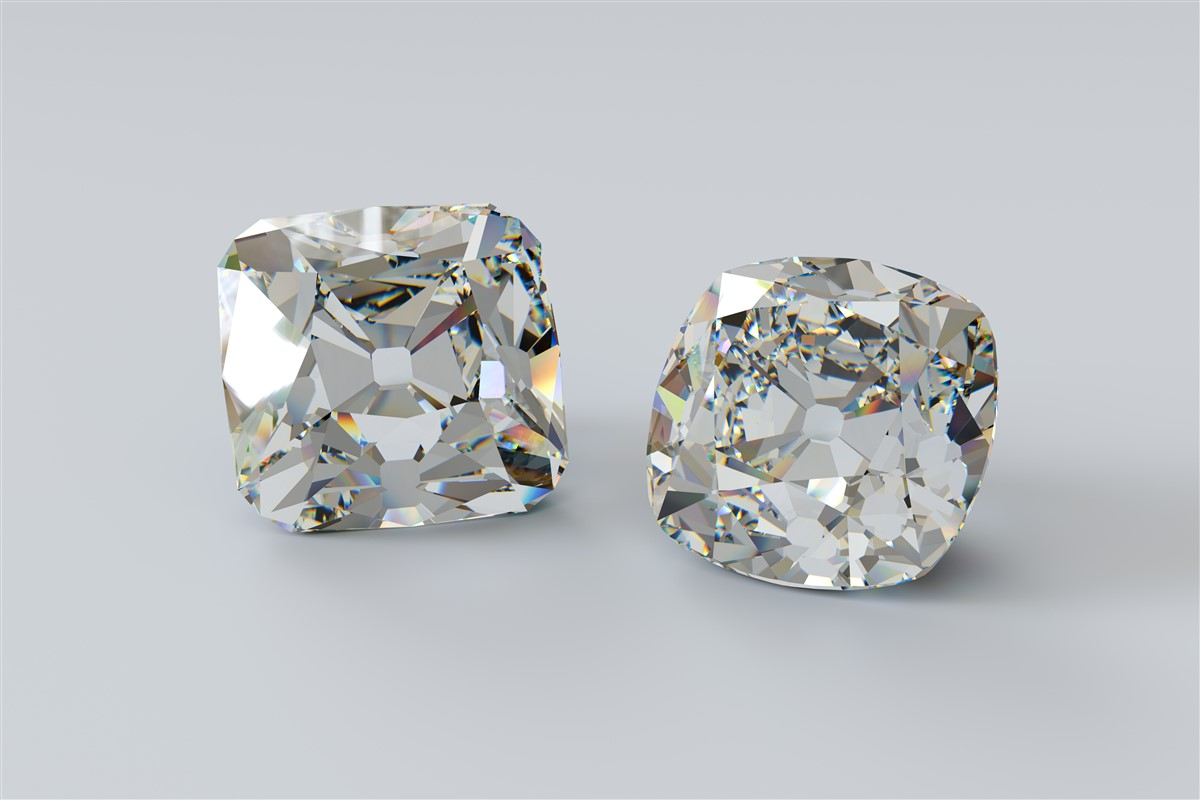
Even the setting matters. Secure, well-crafted settings protect stones and reduce long-term maintenance costs. For white gold, rhodium plating typically applied at 0.75–1 micron thickness helps preserve appearance but requires periodic refresh, a small ongoing cost many buyers overlook.
Rare Carat’s Diamond Price & Quality Report helps buyers avoid overpaying upfront, which is one of the biggest factors in long-term value retention.
Diamond Jewelry as a Lifestyle Investment
Not all investments are meant to outperform markets.
When people revisit is diamond jewelry a good investment, many realize the real return comes from daily wear, emotional milestones, and legacy.
A diamond ring may never double in price, but it can anchor life’s most meaningful moments.. like proposals, weddings, anniversaries, and family history. That form of value compounds emotionally, not financially.
Rare Carat’s approach reflects this philosophy: education first, pressure never. Buyers are empowered to choose stones that feel right, not just look impressive on paper.
So, Is Diamond Jewelry a Good Investment—Really?
If your goal is straight-up profit, diamond jewelry is not the right vehicle.
If your goal is lasting beauty, emotional permanence, and intelligent ownership, then yes—is diamond jewelry a good investment becomes a much more nuanced, affirmative answer.
The key lies in how you buy. Transparent pricing, proper certification, and quality-driven selection matter far more than chasing size or trends.
That’s where Rare Carat makes the difference by helping buyers shop smarter, compare objectively, and invest in pieces they’ll never regret owning.
Explore Certified Diamonds at Rare Carat
Frequently-Asked Questions