

Ever slipped on a stunning pair of earrings, only to end up with itchy, red ears that feel anything but fabulous? Or maybe that gorgeous ring you adore leaves an irritating rash behind. Ouch! If your jewelry is turning against you, don’t worry. Your skin’s not being dramatic. You might just need hypoallergenic jewelry.
But how do you know for sure? And more importantly, what can you do about it? Grab your favorite cup of coffee (or wine—no judgment!) because we’re about to dive into the sparkly world of skin-friendly bling.
Signs Your Jewelry Is Causing Trouble
Not all that glitters is gold, especially when your skin disagrees. If you notice any of the below signs, it’s time to rethink your jewelry choices:
1. The Itchy Earring Saga
You’re all dolled up, and your earrings are giving main-character energy until the itch sets in. Red, swollen lobes are a classic sign of a metal allergy. Say hello to your first clue!
2. The Mysterious Rash That Follows You
Rings, bracelets, and necklaces sometimes leave behind more than just memories. If you spot a rash or dry patch where your jewelry sat, your skin is waving a little white flag.
3. Fingers Playing the Color Game
Green or black stains on your finger? That’s likely copper or nickel mixing with your skin’s natural oils. And trust us, no one’s mistaking it for a statement look.
4. The Unwanted Piercing Drama
Your cute little studs shouldn’t feel like enemies. If your ears are constantly sore, swollen, or even oozing, your earrings might be to blame.
Why Is This Happening? Meet the Usual Suspects
Wondering who is the villain behind your jewelry woes? Most probably “nickel”. It’s often hiding in cheaper alloys, and even sneaks its way into gold or silver jewelry. This metal is a common irritant that makes skin throw a full-blown tantrum.
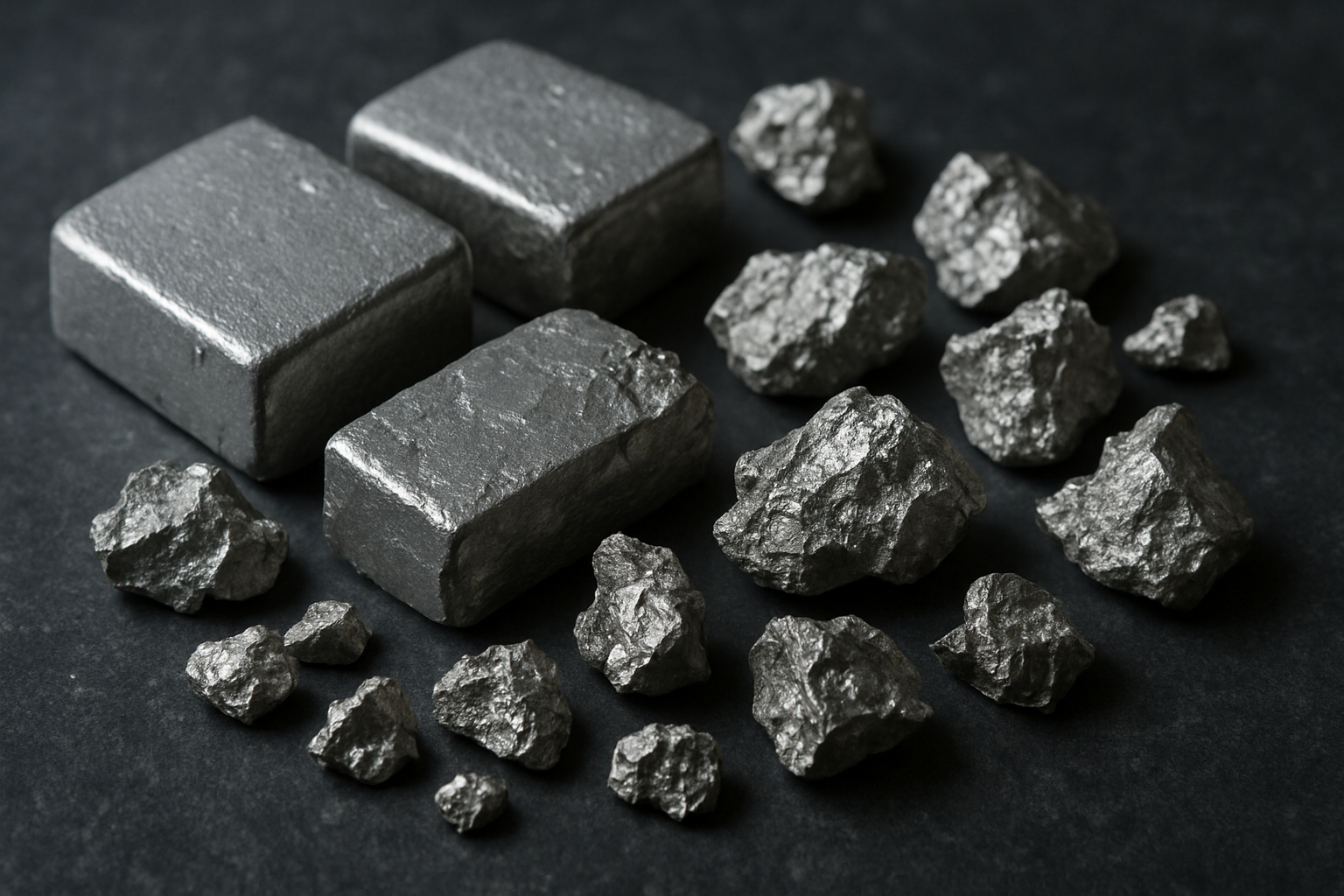
However, nickel is not the only one. Copper and brass can also trigger allergic reactions in some people. And here’s the kicker.. even gold-plated jewelry can irritate if the underlying metal contains nickel!
What Metals Are Actually Hypoallergenic?
If your skin had a dating profile, it would totally swipe right on the following metals:
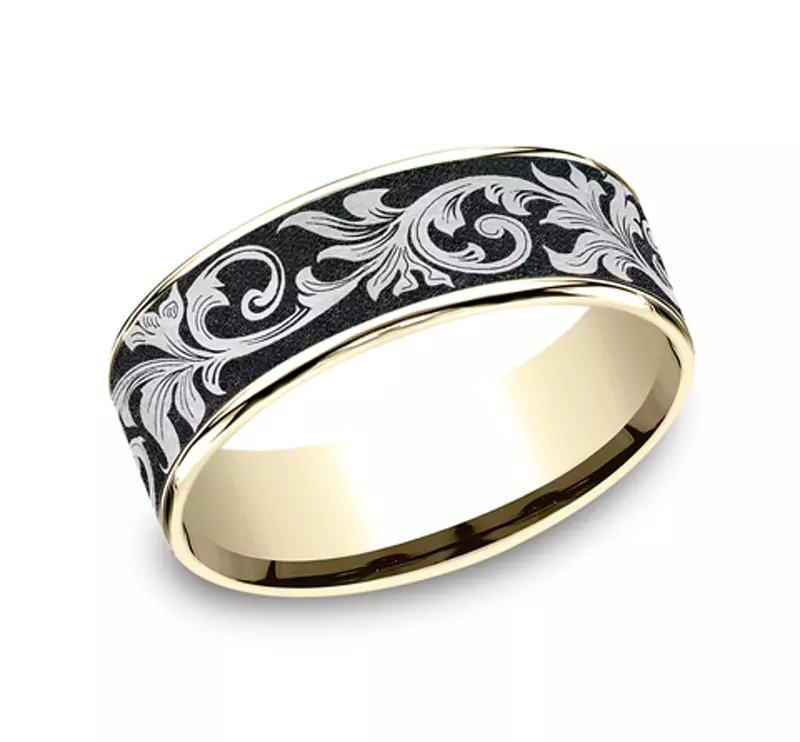
Orchid-Inspired Black Titanium Two-Tone Comfort-Fit Band
Titanium: Ultra-light, durable, and often used in medical implants. Talk about commitment, titanium is one of the best hypoallergenic metals for jewelry.
Platinum: Luxurious and naturally hypoallergenic, platinum is a dream for sensitive skin. Bonus? It won’t tarnish.
Surgical Stainless Steel: Not just for medical tools, this metal is a top choice for hypoallergenic earrings and body jewelry too.
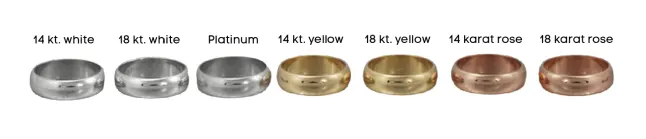
18K Gold and Above: The higher the gold content, the lower the nickel. Opt for at least 18K gold if you’re prone to irritation.
Niobium: This metal is naturally hypoallergenic and corrosion-resistant, making it perfect for jewelry sensitive skin loves.
Palladium: Part of the platinum family, it’s strong, hypoallergenic, and perfect for sleek, modern designs.
Is Alloy Hypoallergenic?
It depends! Some alloys are blended with hypoallergenic metals like titanium or platinum, making them safe for sensitive skin. Others might be a sneaky mix with nickel or copper. Always check the label or ask your jeweler.
For the best jewelry metal for sensitive skin, prioritize pieces labeled as nickel-free or hypoallergenic.
Tips for Finding the Best Hypoallergenic Jewelry
Ready to give your skin some much-needed TLC? Here’s how to shop like a pro:
- Check the Purity
The higher the purity of gold or silver, the lower the risk of irritation. Think 14K gold and up for a safer side.
- Avoid Unknown Alloys
If it’s suspiciously cheap and has no label, swipe left.
- Go for Medical-Grade
Surgical stainless steel and titanium are skin’s best friends.
- Look for Rhodium-Plated Jewelry
Rhodium is a protective layer that shields your skin from underlying metals.
- Trust Hypoallergenic Certifications
If it says “nickel-free” and has hypoallergenic approval, you’re golden!
But Wait, What If You’re Already in a Committed Relationship with Your Jewelry?
Can’t part with that sentimental ring or heirloom necklace that’s kind of appearing to be allergic to you? We get it. Here are a few ways to keep the love alive without sacrificing your skin:
- Clear Nail Polish to the Rescue: Apply a thin coat over the jewelry to create a barrier between metal and skin.
- Try a Jewelry Shield: These are designed to prevent irritation without affecting the shine.
- Rotate Your Jewelry: Give your skin a break by switching up your pieces daily.
The Final Word: Choose Comfort and Style
Finding the best hypoallergenic jewelry doesn’t mean sacrificing sparkle. With the right metals and mindful choices, you can shine brighter than ever, minus the redness and irritation.

And hey, if you’re searching for the best jewelry metal for sensitive skin or wondering what jewelry is best for sensitive skin, trust Rare Carat to help you make the right pick. Our collection is crafted with love (and without those pesky allergens).
Because when it comes to jewelry, your skin deserves that luxe touch without fail!