Diamond dealer
Learn how to evaluate diamond dealers, certifications, cut quality, pricing, and buyer protections, with a focused comparison of Rare Carat and established jewelers.
When buying a diamond, most of us have two immediate questions: “How much will it cost?” and “Am I getting good value?” In 2026, the price conversation has a new layer: the rise of lab-grown diamonds.
They look identical to natural diamonds, but their pricing story is very different. Are lab diamonds really more affordable? How do price trends compare? And what about long-term value?
This guide contributed by Rare Carat breaks down the numbers, the trade-offs, and what it means for buyers today.
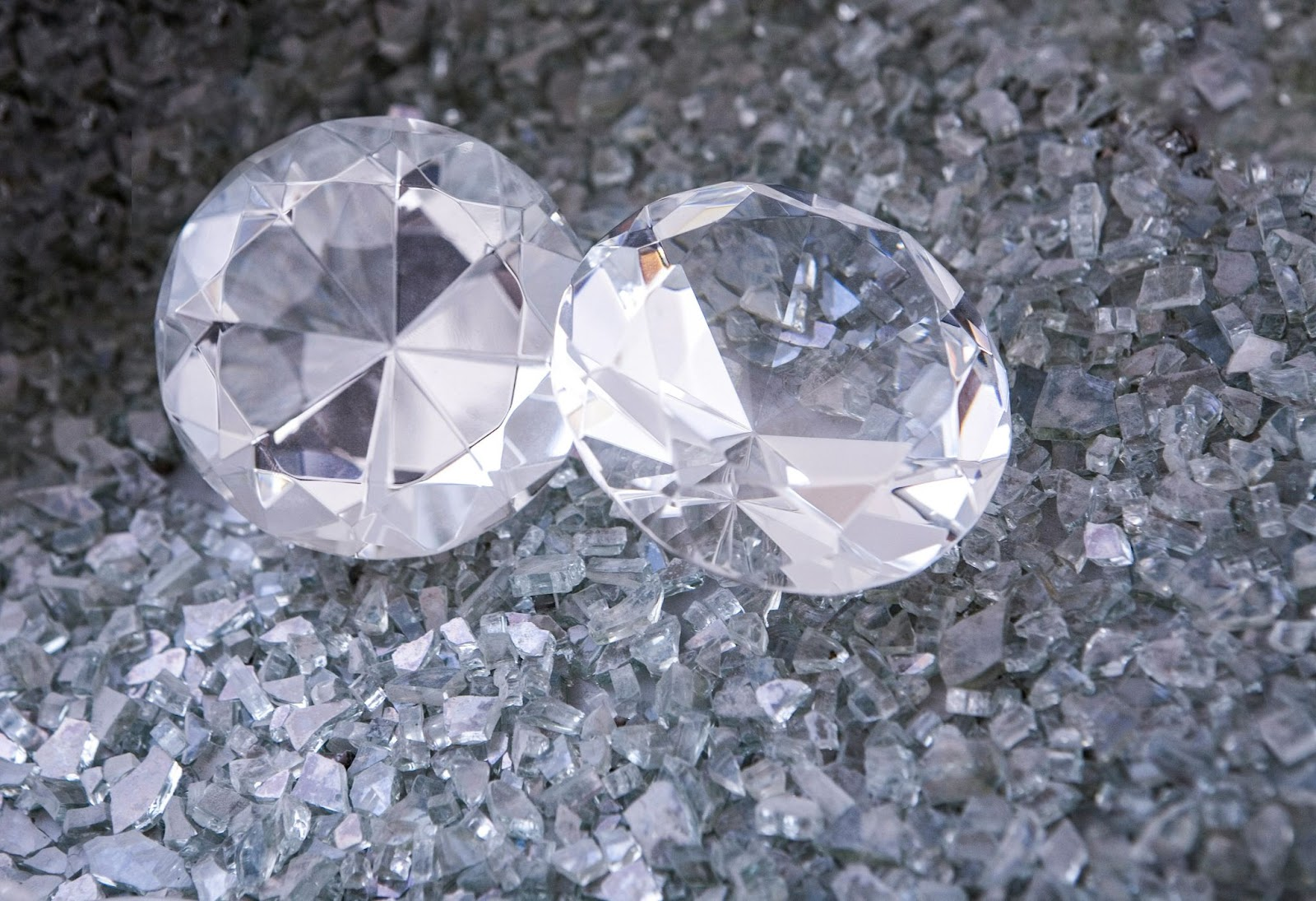
Lab vs Natural Diamonds: Pros and Cons
Who is Rare Carat? And Why Trust Them on Pricing
Shopping for a diamond isn’t just about spotting the sparkle, it’s about knowing you’re not overpaying. Rare Carat is a full-service brand that rivals top retailers in the industry, where over a million buyers have already searched and compared stones across vetted retailers.
Think of it as the Kayak of diamonds, or your pricing co-pilot:
When it comes to pricing transparency, Rare Carat is designed to put the buyer in control, not the seller.
Are Lab-Grown Diamonds More Affordable?
Yes and the difference is striking.
Lab-grown diamonds typically cost 40–70% less than mined diamonds of the same size and quality. That’s because rarity is what drives the premium on natural diamonds, while lab-grown stones can be produced more efficiently.
For example, a well-cut 1-carat, G-color, VS1 diamond might cost around $5,000–6,000 if mined, but only $1,000–2,000 if lab-grown.
This affordability lets buyers either:
How Much is a 1 Carat Lab Grown Diamond? | Rare Carat
Pricing Trends: Lab-Grown vs. Natural
Diamond pricing doesn’t stand still. Here’s how the market has been evolving:
Mined Diamonds
Lab-grown Diamonds
Cost Comparison in a Glance
| Factor | Lab-Grown Diamonds | Natural Diamonds |
| Average 1-Carat Price (2025) | $800–$2,500 | $5,000–$6,500 |
| Price Trend | Decreasing (tech-driven) | Stable to increasing (supply-driven) |
| Resale Value | Lower, limited market | Stronger resale dynamics |
| Value Per Carat | 40–70% more affordable | Premium for rarity |
What About Resale & Investment Value?
This is where expectations need to be clear.
Natural diamonds: Historically retain stronger resale value due to rarity. Some buyers even treat them as generational assets.
Lab-grown diamonds: Resale is still limited. Think of them like technology: the upfront savings are the benefit, but long-term investment shouldn’t be the expectation.
For engagement rings and jewelry meant to be worn (not resold), many buyers happily accept this trade-off in exchange for upfront affordability and design flexibility.
How Rare Carat Helps You Shop Smartly
Here’s how Rare Carat makes the price conversation simple and transparent for you:
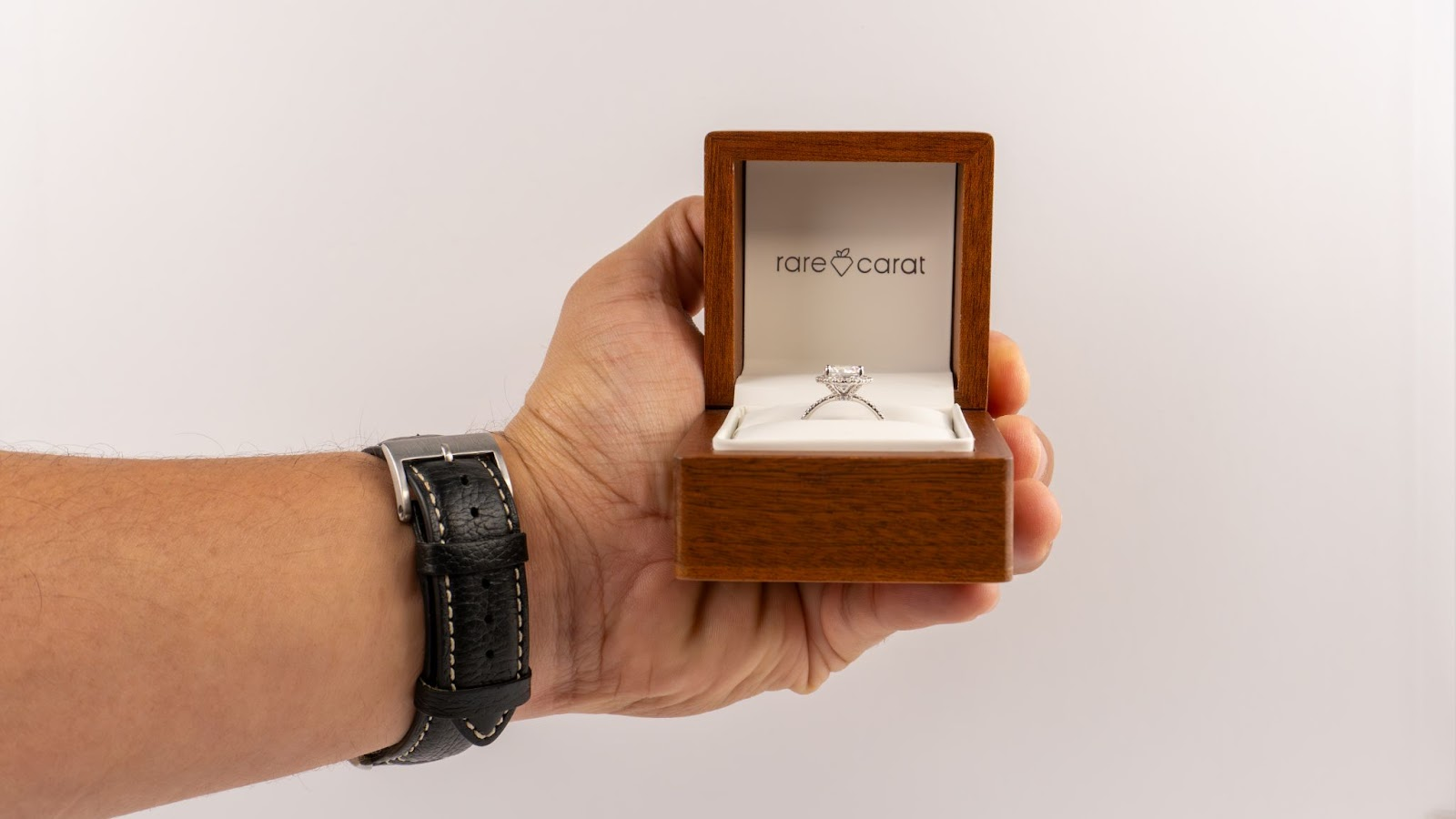
In other words, you’ll never be guessing. You’ll see the real trade-offs and know exactly why one diamond costs less than another.
Lab-Grown Diamonds: The Perfect Blend of Affordability and Sustainability
The Real Pricing Story
Lab-grown diamonds are more affordable, often dramatically so. They make larger sizes and higher qualities accessible to more buyers. But the affordability also comes with trade-offs in the resale cost.
If your priority is value, beauty, and ethical alignment at the time of purchase, lab grown diamonds are hard to beat. If rarity and future resale matter most, naturals hold the edge.
Rare Carat’s takeaway: Use transparency to your advantage. With side-by-side comparisons, AI scoring, and expert reviews, you don’t just buy a diamond; you buy it smart, at the right price, for your priorities.
Start comparing lab-grown vs natural diamond prices HERE.